Australian history
British Invasion of Australia: Land and Aboriginal Resistance
How Britain’s invasion of Australia took Aboriginal land, from Sydney Cove and Pemulwuy to Tasmania, Myall Creek, the Stolen Generations and Mabo.
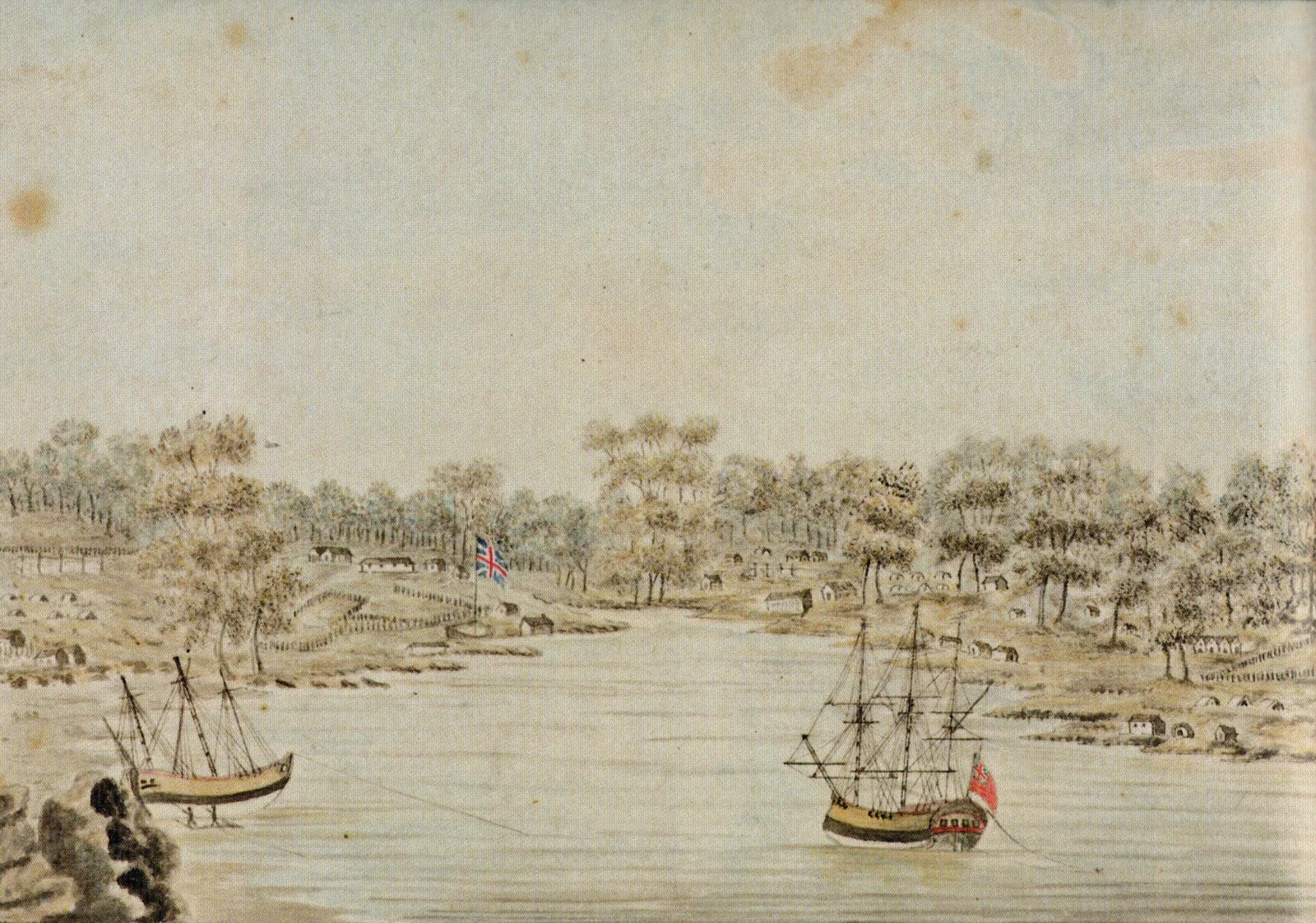
Britain’s invasion of Australia began with the establishment of a penal colony at Sydney Cove in January 1788. British authorities claimed the right to govern and distribute land already occupied by Aboriginal peoples. As settlement expanded, soldiers, police and armed colonists enforced that claim against communities defending their country.
The invasion unfolded across different regions over generations. Pemulwuy’s resistance around Sydney, the forced removal of Aboriginal Tasmanians and the massacre at Myall Creek were parts of that expansion. Australian governments later continued dispossession through controls on land and family life. Our three-minute video introduces the events explored below.
What happened at Sydney Cove in 1788?
Arthur Phillip commanded the First Fleet of eleven ships. After arriving at Botany Bay, he chose nearby Sydney Cove for the colony and began establishing it on 26 January 1788. Convicts, marines and officials arrived with supplies and livestock to build a permanent British settlement.
For the Eora peoples around Sydney, this meant outsiders occupying their country and imposing a different authority. The newcomers’ need for food and farmland did not give them ownership of Aboriginal land. British officials nevertheless treated it as land they could allocate.
Phillip had instructions to maintain friendly relations. He also possessed extensive powers over the colony and later ordered punitive expeditions against Aboriginal people. Personal relationships and official professions of friendship existed alongside the seizure of country. They did not prevent the colony from expanding at its original owners’ expense.
Early crop failures threatened the newcomers with starvation. As farms spread beyond the harbour, the colony’s survival increasingly depended on occupying more land. The National Museum of Australia’s account of the First Fleet traces that move from an encampment to a permanent settlement.
Why did Aboriginal people resist British settlement?
Country provided food and water, but it also carried law, kinship and obligations between generations. Taking it disrupted far more than a household’s income. Farms and livestock restricted access to places on which communities depended, while colonial institutions asserted authority over people who had not surrendered it.
British military power helped enforce the occupation. The Australian War Memorial’s account of the colonial period identifies suppressing Aboriginal resistance as a central duty of British troops, alongside controlling the convict population. Marines guarded the first settlements. Regular regiments later garrisoned the colonies, and colonial police developed as settlement spread.
Aboriginal resistance was local and varied because the continent contained different peoples defending their own countries. It was not a single army fighting one continuous campaign. Raids on farms, attacks on livestock and confrontations with armed settlers challenged the occupation where it was taking place.
Britain’s army also served elsewhere across the empire. Our account of the Connaught Rangers in British-ruled India follows a later challenge to that military system from within its own ranks.
How did Pemulwuy fight the expanding colony?
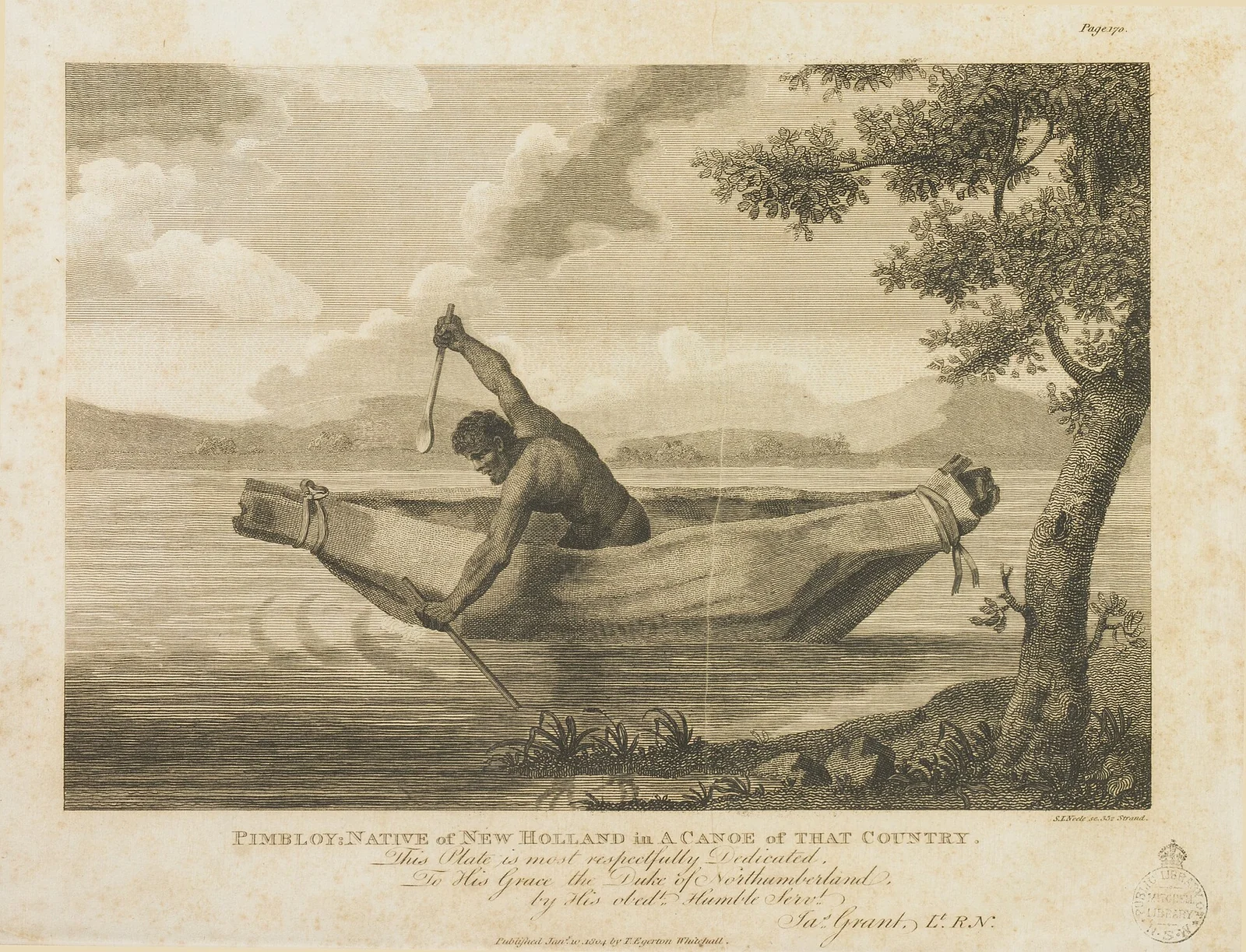
Pemulwuy was a Bidjigal man from the Botany Bay area. After mortally wounding the governor’s gamekeeper John McIntyre in 1790, he became a prominent leader of resistance around Sydney. From 1792, his followers attacked the developing farming settlements, burning huts and taking crops.
In 1797, soldiers fired on Aboriginal men at Parramatta. Pemulwuy was badly wounded but survived and escaped custody. His continued resistance challenged the colony’s ability to turn its claims into secure control of the surrounding country.
Governor Philip Gidley King escalated the campaign against him. In November 1801, King offered rewards for Pemulwuy’s capture or death, including pardons for convicts. Pemulwuy was shot dead in 1802. His head was severed and sent to Joseph Banks in England.
The museum’s biography of Pemulwuy distinguishes these documented events from uncertainty over who fired the fatal shot. His death was the outcome of a colonial campaign against a named resistance leader, not the end of Aboriginal resistance across Australia.
What was Tasmania’s Black Line?
British settlement in Van Diemen’s Land, now Tasmania, began in 1803. Settlers occupied productive country and brought sheep onto Aboriginal food grounds. Killings, displacement and Aboriginal attacks on settlers developed into the Black War.
Lieutenant-Governor George Arthur declared martial law in the settled districts in 1828. In October 1830, he mobilised more than 2,200 settlers, soldiers, police and convicts for the Black Line. They were meant to sweep Aboriginal people south towards the Tasman Peninsula and remove them from the occupied districts.
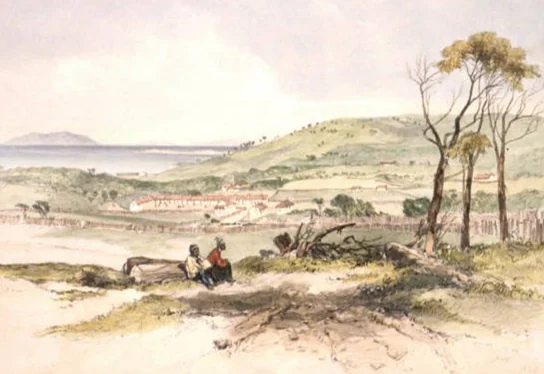
The operation caught very few people. Its failure did not end government pressure. Survivors were subsequently persuaded to surrender and removed to Wybalenna on Flinders Island. Confinement, disease, inadequate food and separation from country killed most of those held there. Only forty remained in 1847, when the survivors were transferred to Oyster Cove.
These deaths did not mean Aboriginal Tasmanians disappeared. Families survived and continued their cultures. The National Museum’s history of the Black Line explicitly rejects the old assumption that Tasmania’s Aboriginal population became extinct.
What happened at Myall Creek?
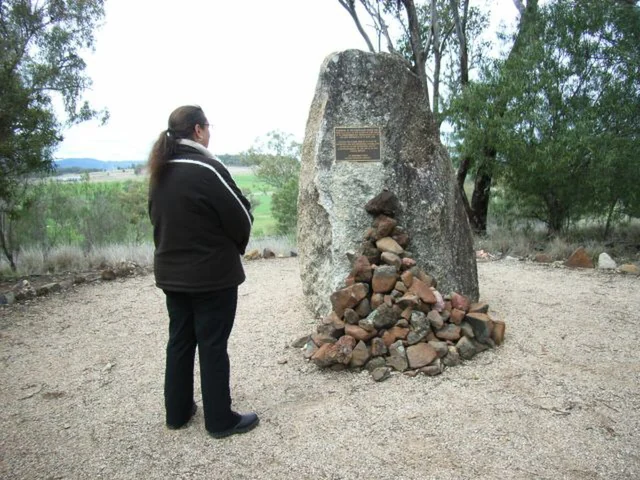
On 10 June 1838, armed men arrived at Myall Creek station in northern New South Wales. A group of Wirrayaraay people, part of the Gamilaraay nation, had sought refuge there. The attackers tied people together and led them away. At least twenty-eight were killed, and their bodies were burned.
This was a massacre of people under the attackers’ control. Describing it as a clash between settlers and Aboriginal people obscures both the victims’ situation and the perpetrators’ actions.
Reporting and investigation brought eleven men to trial. After an initial acquittal, Attorney-General John Plunkett pursued a second prosecution against seven defendants for the murder of a child. They were convicted and hanged in December 1838. The group’s leader, John Fleming, escaped arrest.
The convictions were exceptional. They did not establish a general pattern of protection for Aboriginal communities. The museum’s account of Myall Creek documents both the killings and the hostility that prosecution met within colonial society.
Did federation end colonial rule over Aboriginal lives?
On 1 January 1901, six British colonies became the Commonwealth of Australia. Federation created a national government while retaining state governments and their powers. It did not return land taken from Aboriginal peoples.
The history of federation shows how the colonies negotiated shared institutions for defence, trade and government. Their achievement of self-government was a different question from whether First Nations peoples could exercise authority over their own country.
That distinction is essential when following the story beyond British governors. Responsibility for later policies belonged to the Australian governments and institutions that enacted and administered them. The creation of the Commonwealth changed political arrangements without automatically dismantling the systems controlling Aboriginal lives.
Who were the Stolen Generations?
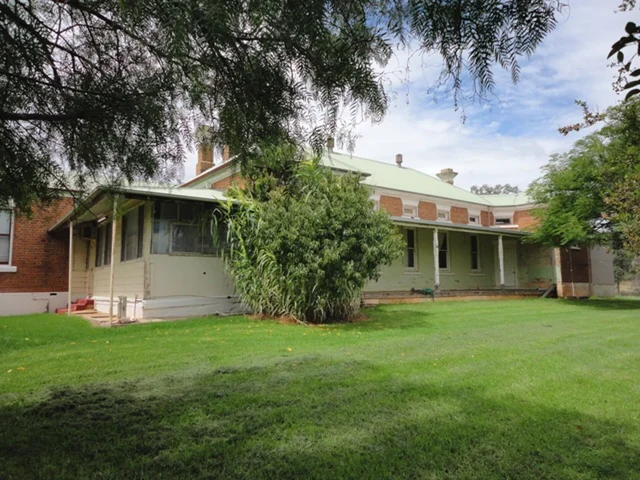
Governments and church institutions forcibly separated Aboriginal and Torres Strait Islander children from their families. Children were placed in institutions, foster homes or other households. Removal could sever relationships with parents and siblings and interrupt the passing on of language and culture.
The national inquiry published as Bringing Them Home estimated that between one in ten and one in three Indigenous children were forcibly removed between 1910 and 1970. Its findings drew on testimony from survivors alongside government, church and other witnesses.
Policies varied between jurisdictions and changed over time. Authorities justified removals through ideas of protection and assimilation, while giving officials extensive powers over children. Those descriptions must not replace the experiences of the families who lost them.
The Australian Human Rights Commission’s community guide also describes the work of Indigenous organisations helping people trace relatives and reunite. Finding family later could not restore the years spent apart.
What did the Mabo decision change?
In 1992, the High Court decided Mabo v Queensland (No 2). Eddie Koiki Mabo and other Meriam claimants had brought the case over land in the Murray Islands in the Torres Strait. Their claim arose from their own laws and relationships to that land.
The judgment recognised that native title could survive British acquisition of sovereignty. It rejected the legal premise that Indigenous occupation and law could simply be disregarded. The Native Title Act followed in 1993.
Mabo did not return all dispossessed land or erase the effects of removal policies. Native title could already have been extinguished, and recognition depended on legal requirements. AIATSIS explains the case and its consequences, including the Meriam people’s role in changing Australian land law.
The history therefore extends beyond the arrival of the First Fleet. British expansion took country through occupation and force. First Nations peoples resisted, survived and continued to press claims to land, family and cultural life under the governments that followed.
British settlement in Australia formed part of a wider system of conquest and colonial government. Our history of the British Empire’s rise and fall connects that expansion with slavery, company rule in India and independence movements.
Frequently asked questions
When did Britain begin colonising Australia?
The First Fleet established a permanent penal colony at Sydney Cove in January 1788. British occupation then expanded into other Aboriginal countries.
Was the invasion of Australia one war?
No. Expansion produced conflicts in different regions over generations, with Aboriginal peoples defending their own countries.
Did Aboriginal Tasmanians become extinct?
No. Despite mass deaths and forced removal, Aboriginal Tasmanian families survived and continued their cultures.
Did Mabo return all Aboriginal land?
No. The 1992 judgment recognised native title, but it did not restore all land taken during colonisation.
Sources & further reading
- National Museum of Australia: Convict cargo ↗
- Australian War Memorial: Colonial period, 1788–1901 ↗
- National Museum of Australia: Pemulwuy ↗
- National Museum of Australia: The Black Line ↗
- National Museum of Australia: Myall Creek massacre ↗
- National Museum of Australia: Federation ↗
- Australian Human Rights Commission: Bringing Them Home community guide ↗
- AIATSIS: The Mabo Case ↗
Image credits
- Ships and tents at Sydney Cove in William Bradley’s 1788 watercolour
William Bradley / State Library of New South Wales · Public domain
Converted to WebP and resized without cropping. Earlier production upscaling removed; displayed dimensions do not exceed the source original.
- Historical engraving of a man holding a spear in a bark canoe
Samuel John Neele, after James Grant / State Library of New South Wales · Public domain
Converted to WebP and resized without cropping. Earlier production upscaling removed; displayed dimensions do not exceed the source original.
- John Skinner Prout painting of buildings and people on Flinders Island
John Skinner Prout / National Gallery of Victoria · Public domain
Converted to WebP and resized without cropping. Earlier production upscaling removed; displayed dimensions do not exceed the source original.
- A visitor standing beside the stone memorial at Myall Creek
Tracy Appel / State of New South Wales and Office of Environment and Heritage · CC BY 4.0
Converted to WebP and resized without cropping. Earlier production upscaling removed; displayed dimensions do not exceed the source original.
- Former hospital building used as the Cootamundra Aboriginal Girls’ Training Home
Louise Thom / State of New South Wales and Office of Environment and Heritage · CC BY 4.0
Converted to WebP and resized without cropping. Earlier production upscaling removed; displayed dimensions do not exceed the source original.


Something we should correct? Send a correction.
Keep reading
More stories
Irish history · 6 min read
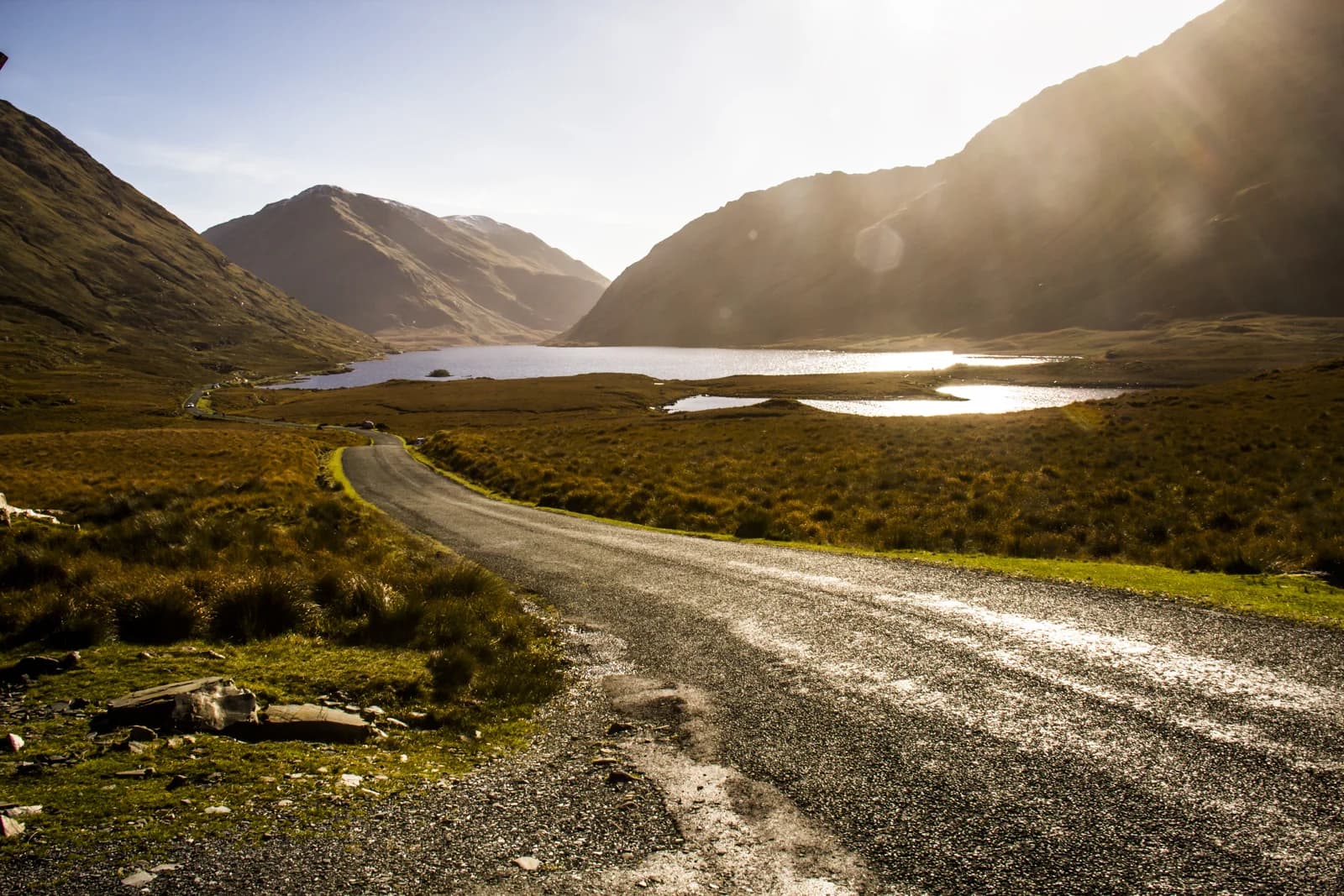
The Doolough Tragedy: A Famine Walk Under Threat of Losing Relief
Why starving families were ordered from Louisburgh to Delphi in March 1849, who died at Doolough and how officials faced accusations over the journey.
Irish history · 7 min read
The Guildford Four: False Confessions and Wrongful Convictions
How police evidence put the Guildford Four in prison, why their convictions collapsed and what happened to Giuseppe Conlon and the Maguire Seven.
Irish history · 6 min read
Connaught Rangers Mutiny: Why Irish Soldiers Refused Duty in India
Why the Connaught Rangers mutinied in India in 1920, how British guards killed two soldiers and why James Daly faced a firing squad.