World history
How the British Empire Rose and Fell
How Britain built its empire through conquest, trade and slavery, and how resistance, world wars and independence movements ended colonial rule.
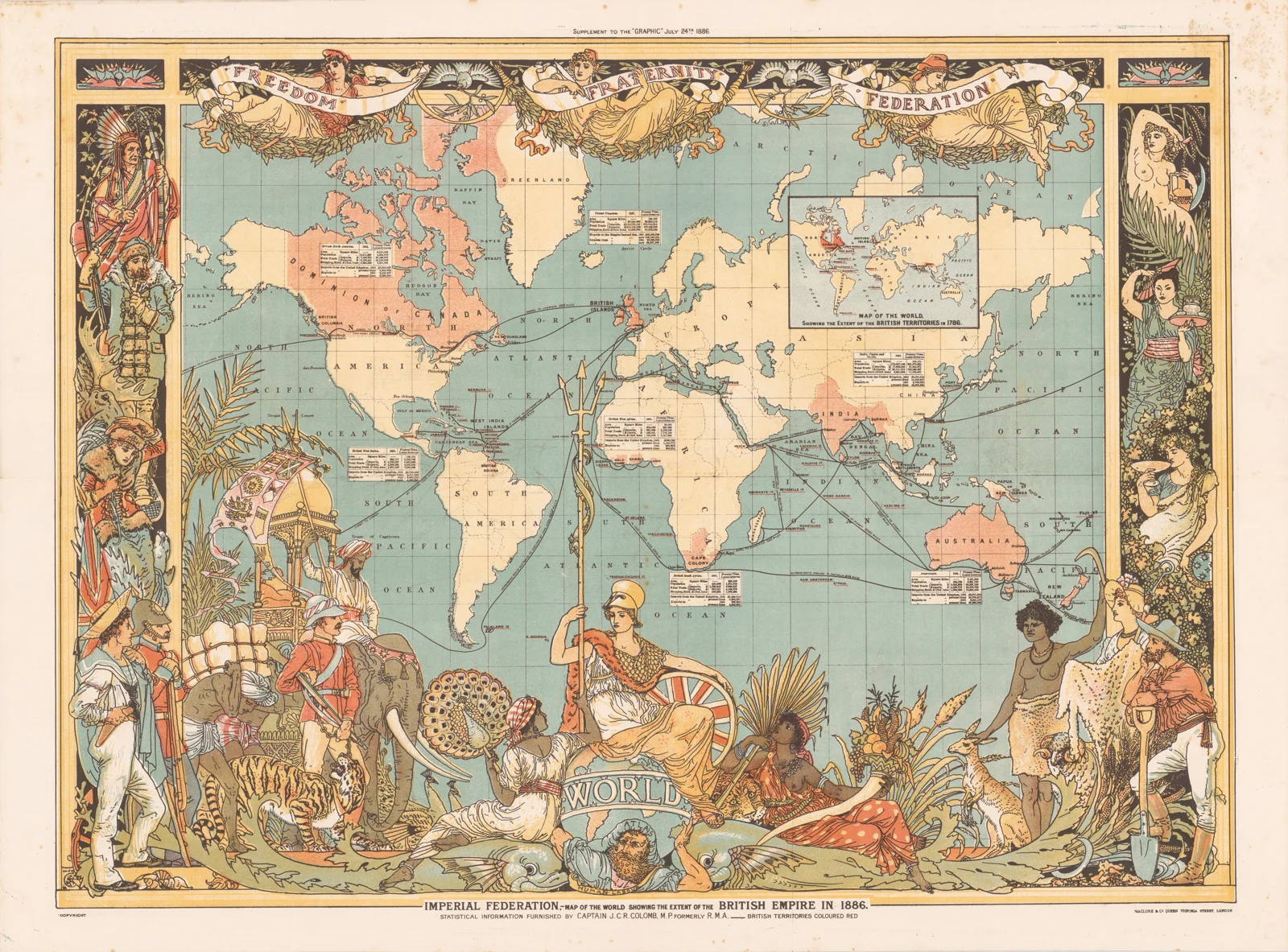
Britain built its empire through conquest, settlement, enslaved labour and commercial companies that acquired the power to govern. It lost much of that control because colonised people fought for independence, while world wars weakened Britain’s finances and military authority. The empire did not begin or end in a single year.
Its history connects a merchant company in London with tax collectors in Bengal, sugar plantations in the Caribbean and families driven from their land. Independence changed who governed these territories, but it did not automatically return confiscated property or repair the damage left by colonial rule.
How did the British Empire begin?
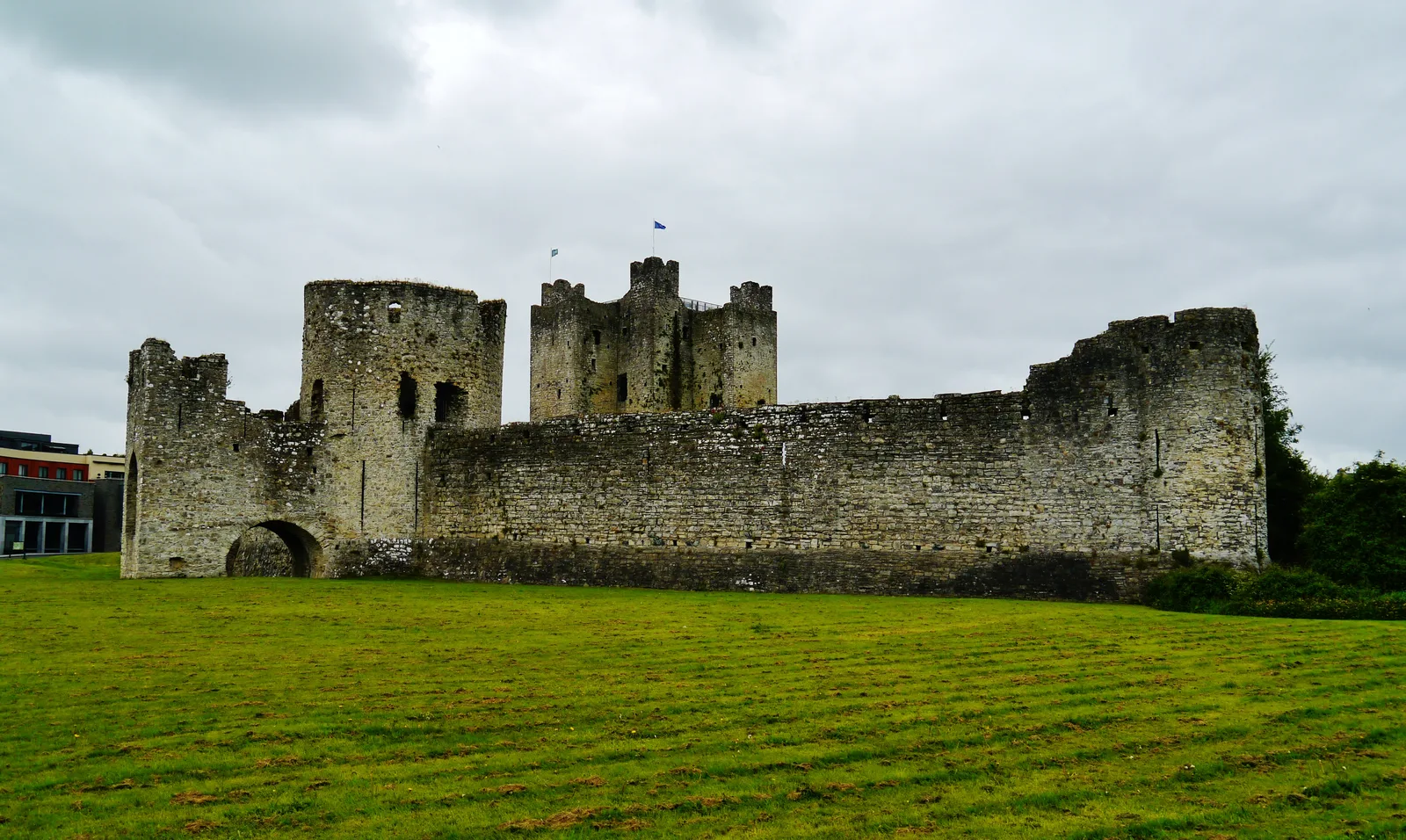
English expansion preceded the creation of Great Britain. The conquest of Ireland and later plantations transferred land and political power to newcomers backed by the Crown. The history of English conquest in Ireland stretches back centuries before the East India Company received its charter in 1600. Trim Castle is a surviving reminder of that earlier Anglo-Norman expansion.
Overseas empire grew through overlapping ventures rather than a single master plan. Merchants wanted trading privileges. Settlers wanted land. Governments sought revenue, naval positions and advantages over European rivals. Royal charters could give a private company exclusive commercial rights, but turning those rights into territorial rule required soldiers, money and political alliances.
Historian John Darwin describes a wider British world-system, linking colonies with trade, finance and strategic connections beyond formal possessions. A map coloured red cannot show all these relationships. Nor does it show how differently power operated in a settler colony, a company territory or a state whose ruler remained in place under British pressure.
How did a trading company conquer territory in India?
The East India Company began as a commercial enterprise. Its trading settlements developed armies, largely staffed by Indian soldiers under British officers. Company expansion depended on those soldiers and on alliances with Indian political interests, as well as on European military rivalry.
At Plassey in 1757, Robert Clive’s forces defeated the Nawab of Bengal. Clive and his allies had secretly promised the Nawab’s position to Mir Jafar, a commander who withheld his troops during the battle. Further victories strengthened Company power. In 1765 it obtained the right to collect revenue in Bengal.
The National Army Museum’s account of Company armies traces the change from trading organisation to imperial administrator. Tax revenue helped sustain an army that could seize more territory. People whose land and work produced that revenue had little control over the company directing it. The battle of Plassey therefore belongs to a longer story of military force becoming political and financial control.
What did settlement mean for people already living there?
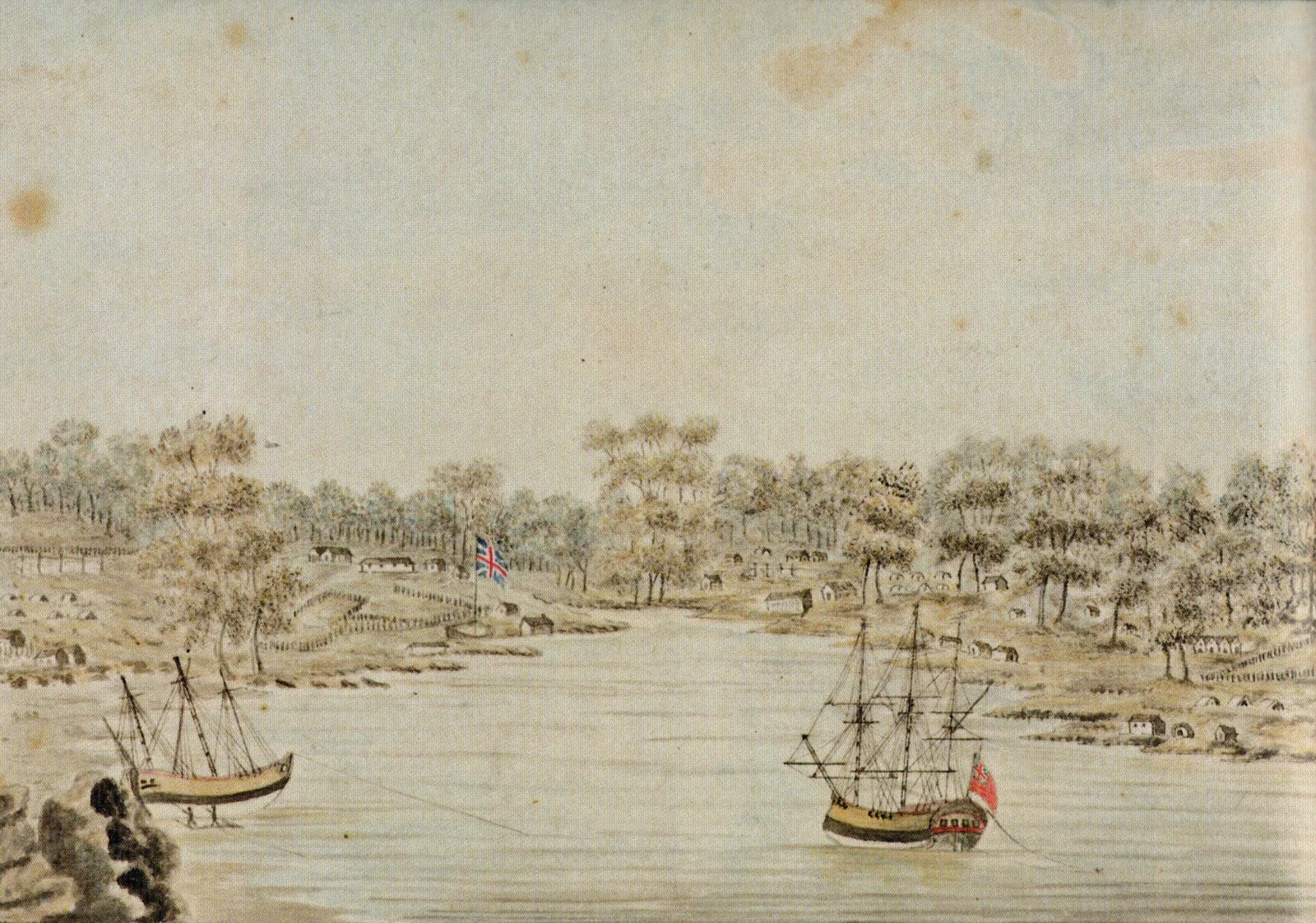
A settlement described as new by its founders could stand on land occupied and governed by other peoples for generations. Britain established a penal colony at Sydney Cove in January 1788. Convicts were transported there under punishment, while Aboriginal peoples faced the seizure of their country as the colony expanded.
The First Fleet’s arrival was the beginning of permanent British colonisation in Australia. It did not mark the beginning of Australian history. Aboriginal communities had their own countries, laws and relationships with the land. British officials did not obtain their general agreement before establishing the colony.
Settlement expanded beyond the original landing place through farms, roads and further colonial outposts. Resistance followed the movement of settlers into different regions. Our account of Britain’s invasion of Australia and Aboriginal resistance follows those conflicts and the later removal of children from their families. Political independence for settler governments would not, by itself, undo Indigenous dispossession.
How did slavery and economic policy sustain imperial power?
Caribbean sugar plantations enriched owners through the forced labour of enslaved Africans. British merchants, shipping and finance connected that production to consumers and investors. The people doing the labour were bought and sold, denied freedom and subjected to violence.
Britain abolished its transatlantic slave trade in 1807. That did not free people already enslaved in its colonies. The 1833 abolition legislation provided £20 million in compensation to slave owners and imposed an apprenticeship system on many of the formerly enslaved. Parliament’s history of emancipation records the end of that system in 1838. The compensation went to owners, not to the people whose labour they had taken.
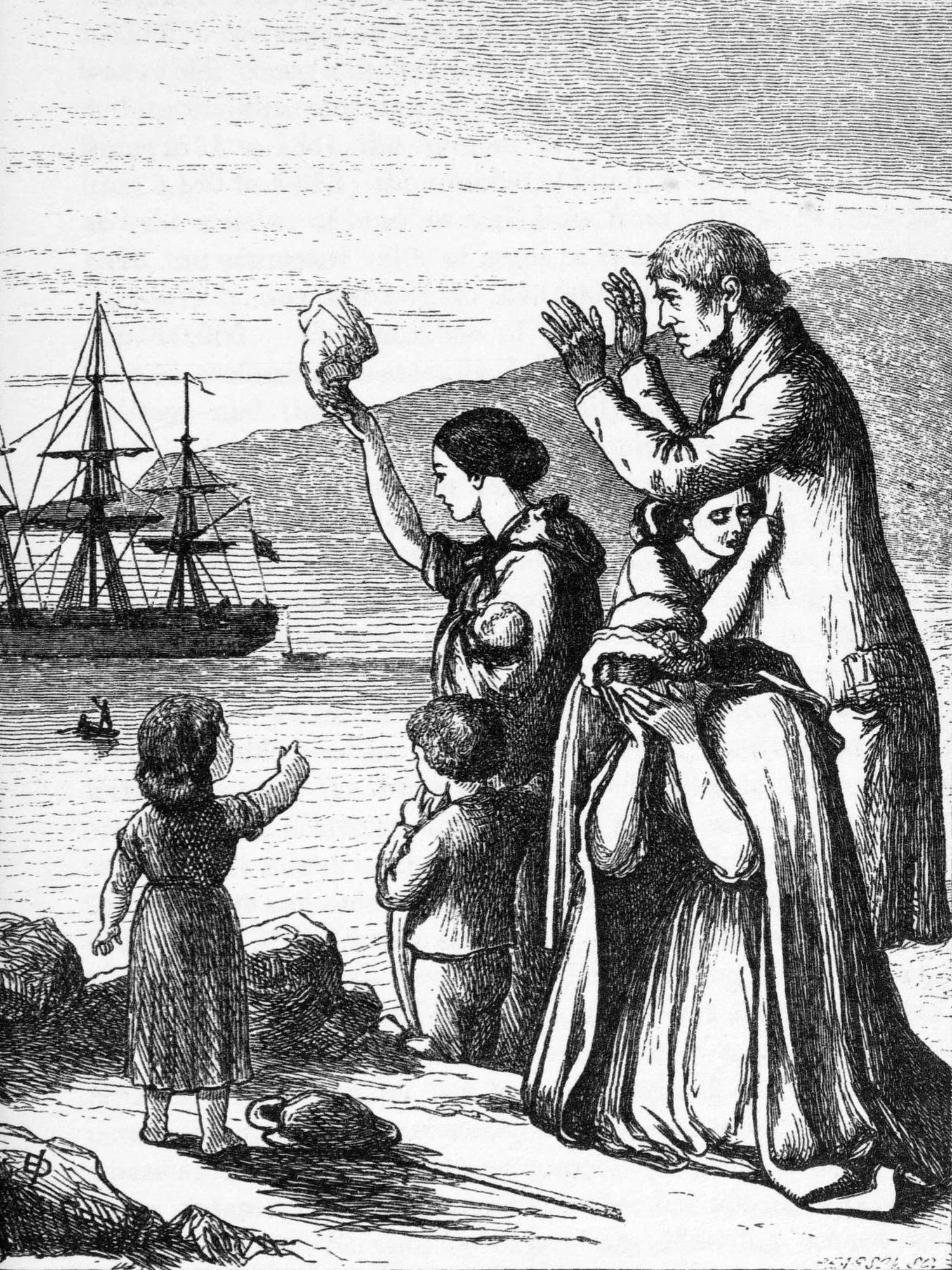
Economic policy also determined who survived crises. During Ireland’s Great Famine, British ministers relied on markets and restricted relief while families lost their staple food. University College Cork’s history describes mass death, emigration and the destruction of small holdings. The blight caused crop failure; government decisions shaped access to replacement food. Our Famine article explains those decisions in detail.
Why did resistance grow into independence movements?
Imperial rule repeatedly provoked resistance because it denied people control over land, government and public life. Campaigns took different forms: petitions, strikes, boycotts, political parties, armed rebellion and soldiers refusing orders. They were not one movement with a single programme.
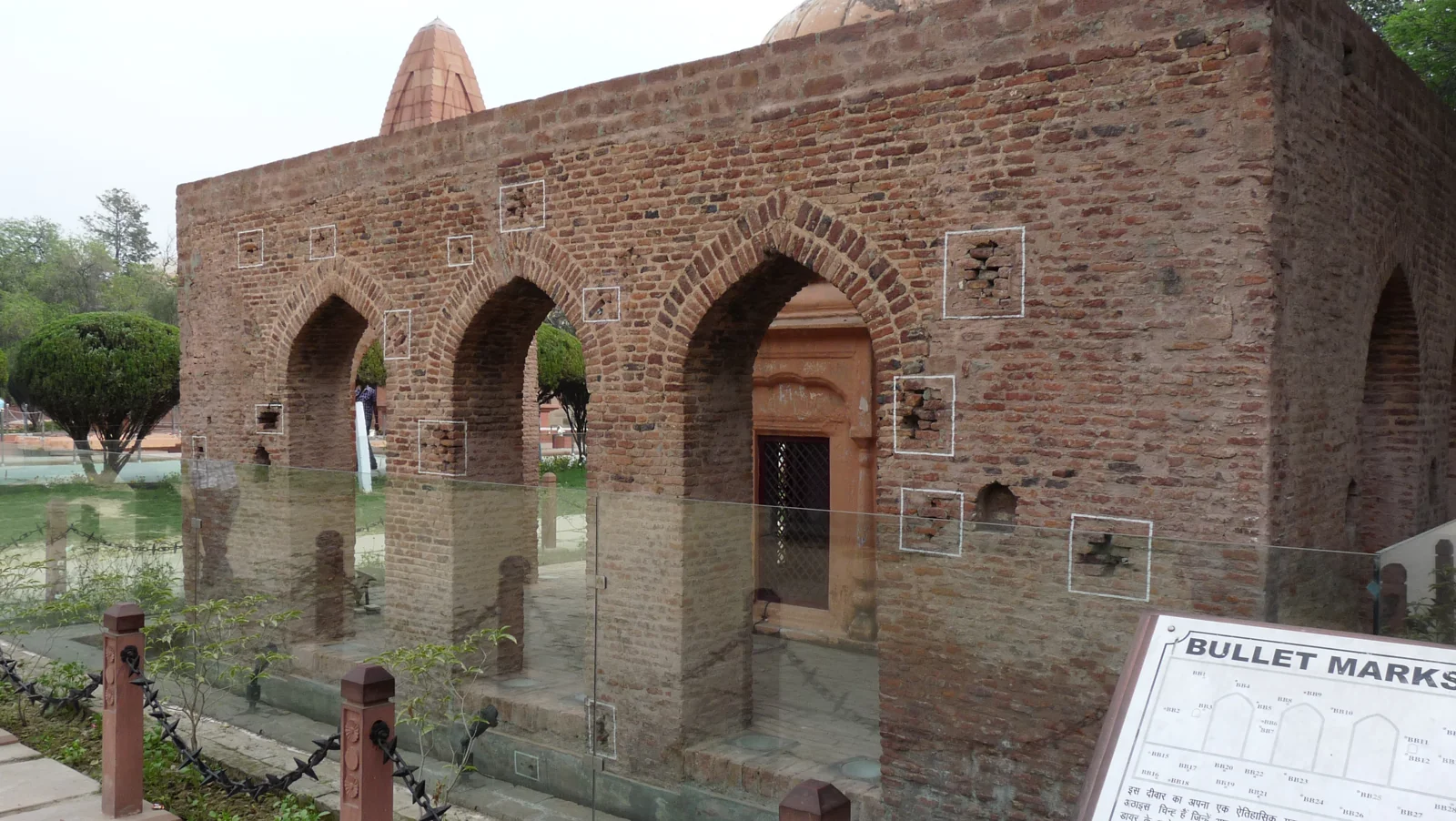
British authorities answered some challenges with concessions and others with coercion. In India, the shooting at Jallianwala Bagh in 1919 demonstrated the violence colonial command could unleash against an unarmed gathering. Our Amritsar massacre account examines General Reginald Dyer’s order and the people killed and wounded.
People under British rule also recognised connections between different struggles. Irish soldiers of the Connaught Rangers protested in India in 1920 after news of violence in Ireland reached them. Their mutiny and James Daly’s execution show that imperial armies were composed of people whose political loyalties could conflict with their orders.
Independence required sustained organisation. It was not simply a reward Britain chose to distribute when colonies became ready. Colonised people made continued rule harder to defend and harder to enforce.
How did the world wars weaken Britain’s empire?
World wars mobilised imperial soldiers and resources on a vast scale. They also exposed the distance between Britain’s claims to protect its territories and its ability to do so. Japan’s capture of Singapore in February 1942 destroyed a major British military position in Asia.
The National Museum of Australia’s account of Singapore explains how the defeat forced Australia to reconsider reliance on Britain. Soldiers and civilians then suffered under Japanese occupation. The collapse of British defences did not bring freedom, but it damaged the assumption that British power was permanent or unbeatable.
After 1945, Britain faced the costs of war alongside stronger independence movements. Holding territory still required troops, administration and money. The United States and Soviet Union had become the dominant military powers, and Britain could no longer determine international outcomes as it once had. These changes gave independence campaigns new opportunities, although British governments continued to use force to preserve control.
What happened when British India became independent?
India and Pakistan became independent in August 1947. The transfer of power ended British rule but accompanied the partition of the subcontinent and mass violence. Millions crossed new borders as refugees. Families were separated and communities attacked.
British officials retained responsibility for the timetable and arrangements of withdrawal. Mountbatten’s accelerated departure left little time to manage the division. Political conflict among Congress, the Muslim League and other actors shaped partition, while armed groups carried out massacres. British withdrawal arrangements left civilians exposed as authority and security forces were divided.
The National Army Museum’s history of independence and partition describes the refugee movement, communal killings and division of the Indian Army. That division also removed a major instrument of Britain’s wider imperial power. Britain had depended on Indian troops beyond India; after independence it could no longer command those forces as its own.
Did Britain leave its remaining colonies peacefully?
Britain fought to retain control in several territories after Indian independence. In Kenya, settler land seizure was central to the grievances behind the Mau Mau uprising. The colonial government declared an emergency in 1952 and used military operations, detention and coercion against the insurgency and suspected supporters.
The Kenya Emergency ended in 1960, and Kenya became independent in 1963. In 2013 the British government acknowledged torture and ill-treatment suffered under the colonial administration and announced a settlement with thousands of claimants. Survivors had spent decades seeking recognition and redress for the abuse.
Suez exposed another limit. In 1956 Britain and France colluded with Israel to attack Egypt after Gamal Abdel Nasser nationalised the canal company. Military action brought international opposition and financial pressure. The Suez Crisis ended in withdrawal. Britain could invade, but it could not sustain that policy against American opposition and pressure on sterling.
Why is there no single end date for the British Empire?
Different territories escaped British control through different processes. Indian independence in 1947 and the Suez defeat in 1956 were major turning points, but neither ended every colonial relationship. Decolonisation unfolded over decades, with different constitutional settlements and unequal distributions of land and wealth.
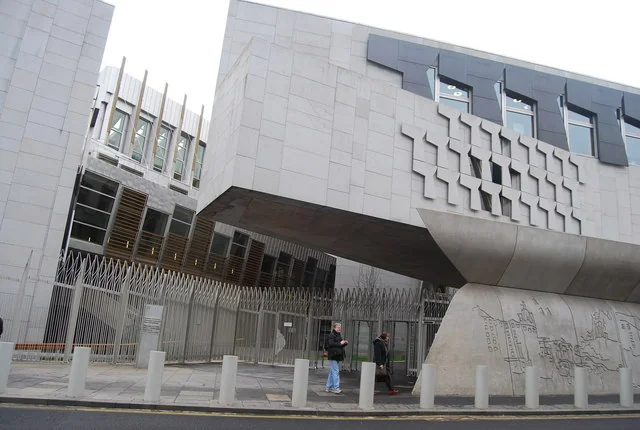
The empire also shaped Britain itself. Migration linked former colonies to British towns and cities. Arguments over citizenship, belonging and responsibility continued after formal colonial rule ended. Independence elsewhere did not settle the constitutional relationships within the United Kingdom, including those between England, Scotland, Wales and Northern Ireland.
Our documentary follows that longer history into debates about Britain’s future. Those debates should not be confused with a prediction that a particular constitutional change must happen in 2027. The historical explanation rests on decisions already made: the acquisition of land and labour, resistance to colonial authority and the struggles over what independence would mean for the people who won it.
Frequently asked questions
When did the British Empire begin?
There is no single founding date. English conquest and settlement preceded the East India Company’s charter in 1600, while overseas rule expanded through later wars and commercial ventures.
Why did the British Empire decline?
Independence movements challenged colonial authority, while world wars weakened Britain’s finances and military position. The costs of coercion and international pressure also constrained British governments.
Did abolishing the slave trade end slavery?
No. Britain abolished its transatlantic slave trade in 1807, but slavery continued in its colonies. The 1833 abolition legislation also imposed an apprenticeship system on many formerly enslaved people, ending in 1838.
Did the empire end in 1947 or 1956?
Neither date ended all colonial rule. Indian independence in 1947 and the Suez Crisis in 1956 were major turning points within a longer process of decolonisation.
Sources & further reading
- British world-system ↗
- National Army Museum’s account of Company armies ↗
- battle of Plassey ↗
- First Fleet’s arrival ↗
- Parliament’s history of emancipation ↗
- University College Cork’s history ↗
- National Museum of Australia’s account of Singapore ↗
- National Army Museum’s history of independence and partition ↗
- Kenya Emergency ↗
- acknowledged torture and ill-treatment ↗
- Suez Crisis ↗
Image credits
- Decorative Imperial Federation world map showing British imperial possessions in 1886
Walter Crane / Maclure & Co.; reproduction by Dennis Sylvester Hurd, via Wikimedia Commons · CC0 1.0
Resized to 1600 pixels wide and converted to WebP without cropping.
- Trim Castle's stone curtain wall and central keep in County Meath, Ireland
Zairon / Wikimedia Commons · CC BY 4.0
Resized and converted to WebP.
- Ships and tents at Sydney Cove in William Bradley’s 1788 watercolour
William Bradley / State Library of New South Wales · Public domain
Converted to WebP and resized without cropping. Earlier production upscaling removed; displayed dimensions do not exceed the source original.
- Henry Doyle engraving of people saying farewell beside a ship leaving Ireland
Henry Edward Doyle / Wikimedia Commons · Public domain
Converted to WebP and resized where necessary, without cropping or upscaling.
- Brick walls with marked bullet damage at Jallianwala Bagh in Amritsar
Sychonet / Wikimedia Commons · CC0 1.0
Resized where necessary and converted to WebP. No cropping or historical detail altered.
- Exterior of the modern Scottish Parliament building in Edinburgh
N Chadwick / Geograph, via Wikimedia Commons · CC BY-SA 2.0
Converted to WebP and resized where necessary, without cropping. This version uses the same CC BY-SA 2.0 licence.


Something we should correct? Send a correction.
Keep reading
More stories
Irish history · 6 min read
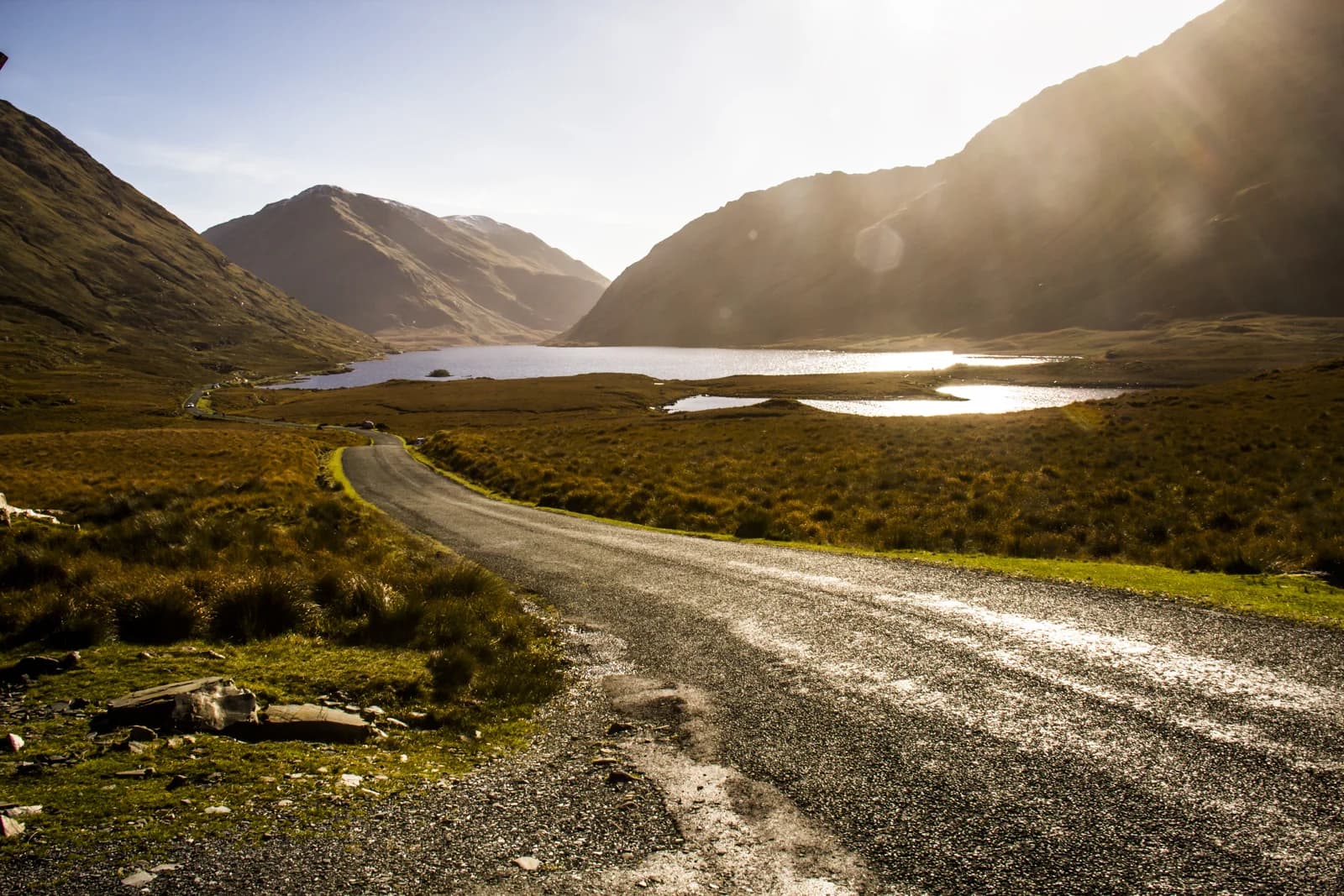
The Doolough Tragedy: A Famine Walk Under Threat of Losing Relief
Why starving families were ordered from Louisburgh to Delphi in March 1849, who died at Doolough and how officials faced accusations over the journey.

Irish history · 7 min read
The Guildford Four: False Confessions and Wrongful Convictions
How police evidence put the Guildford Four in prison, why their convictions collapsed and what happened to Giuseppe Conlon and the Maguire Seven.
Irish history · 6 min read
Connaught Rangers Mutiny: Why Irish Soldiers Refused Duty in India
Why the Connaught Rangers mutinied in India in 1920, how British guards killed two soldiers and why James Daly faced a firing squad.