Irish history
The Doolough Tragedy: A Famine Walk Under Threat of Losing Relief
Why starving families were ordered from Louisburgh to Delphi in March 1849, who died at Doolough and how officials faced accusations over the journey.
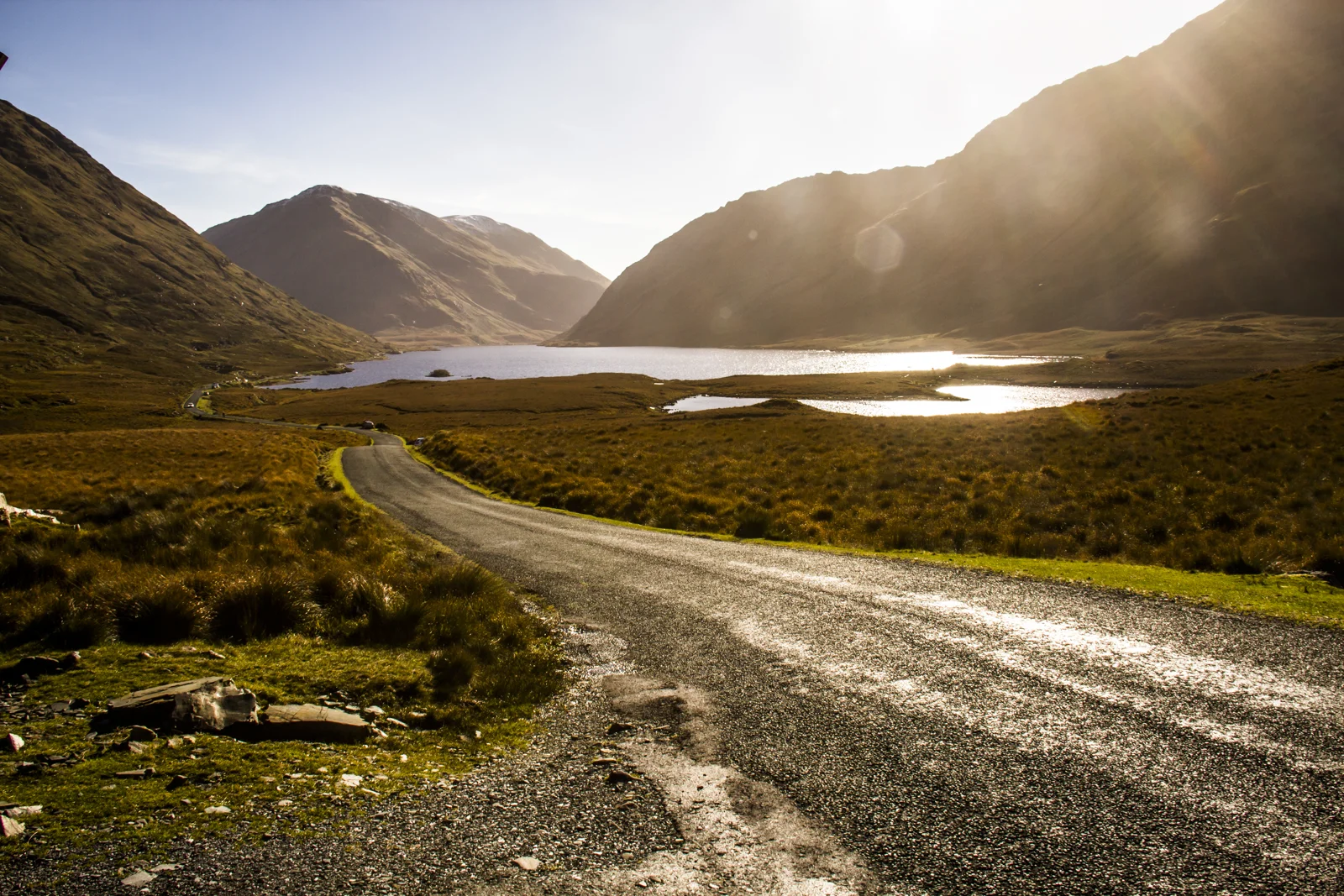
Starving families in County Mayo were ordered to travel to Delphi Lodge for a relief inspection in March 1849. A contemporary account says they faced removal from the relief list if they failed to appear. After the journey, a mother and her two children were found dead beside the road. Other bodies lay along the route and in the mountains.
The Doolough tragedy grew out of the way famine assistance was administered. People already weakened by hunger had to follow officials away from Louisburgh to keep the support on which they depended. Our short film introduces their story; the surviving correspondence describes the orders, deaths and accusations that followed.
The inspection that did not happen in Louisburgh
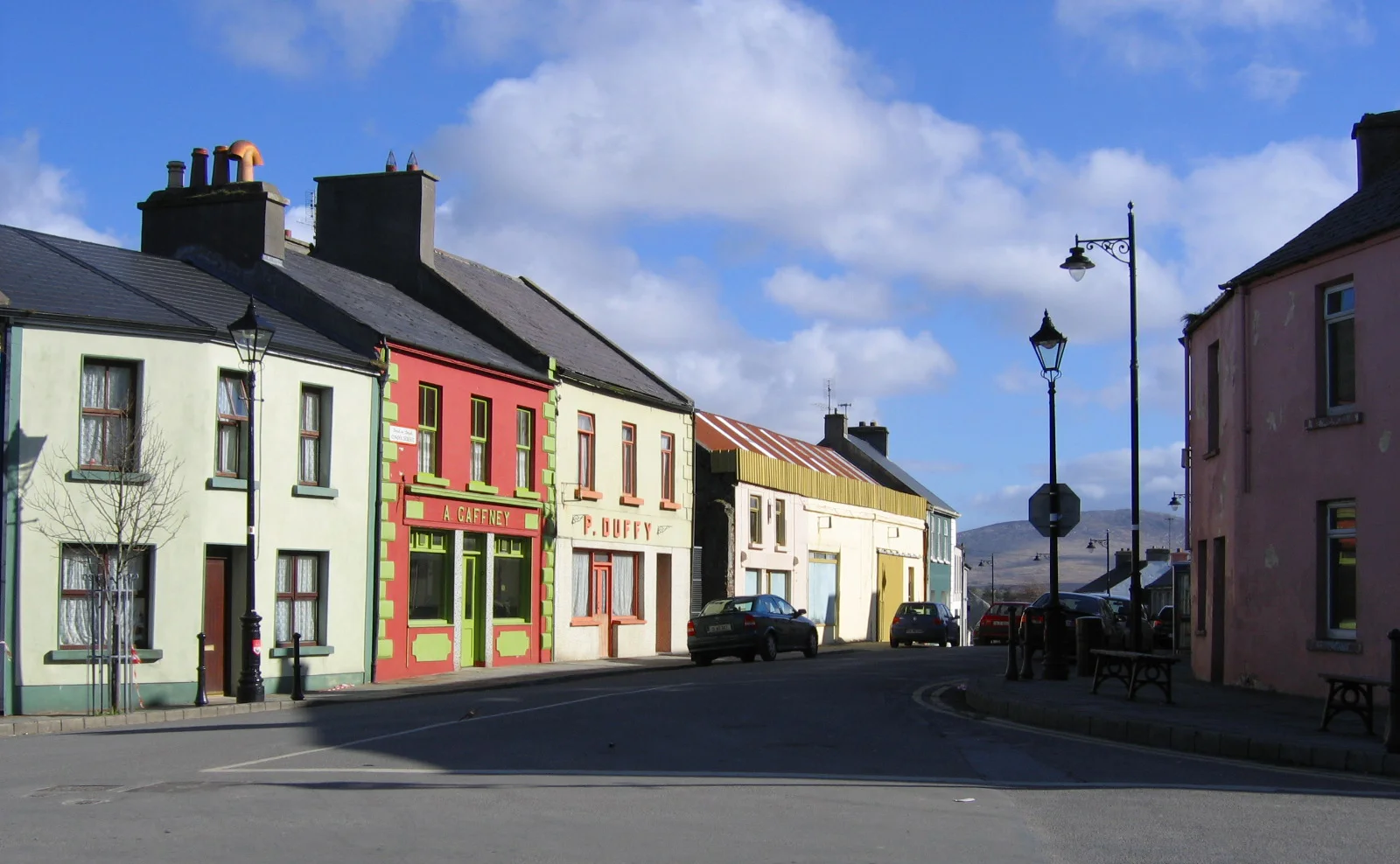
On Friday 30 March 1849, two officials arrived in Louisburgh to examine people receiving outdoor relief in that part of the Westport Poor Law Union. Outdoor relief meant assistance outside the workhouse. For families with little or nothing to eat, remaining on the list could determine whether they received food.
The officials were a vice-guardian, Colonel Hogreve, and a Poor Law inspector, Captain Primrose. They did not carry out the inspection in Louisburgh. Instead, they left for Delphi Lodge.
A letter signed “A Ratepayer”, reproduced in Mayo County Library’s Famine exhibition, describes the relieving officer ordering the waiting people to follow. They were to be inspected at Delphi the next morning. The correspondent portrayed a crowd of hundreds, including men, women and children, struggling through mountain passes and along the roads.
Losing relief was the threat
The later letter makes the coercion explicit. It alleges that an instruction given at the courthouse threatened to strike people off relief unless they attended at Delphi at seven or eight the following morning. Hunger left them little freedom to refuse a difficult journey.
That letter also alleges that the Louisburgh inspection had been abandoned because the relieving officer did not have his books ready. These were accusations made during the controversy, rather than findings of a completed public inquiry. They nevertheless identify the decisions people were challenging: moving the inspection and making continued assistance depend on reaching it.
Historian Kathleen Villiers-Tuthill’s account identifies the relieving officer as Michael Carroll. He said that Primrose and Hogreve had instructed him to send the people to Delphi. The two officials denied giving that order. The dispute concerned who had issued the instruction, not whether hungry people had made the journey.
Through the mountains to Delphi
The first correspondent described some people travelling more than sixteen miles to attend. A later letter gave different distances for families living in different places, with some journeys much longer. There was no single starting point shared by everyone involved: people had already travelled towards Louisburgh from their homes before being sent on.
The inspection took place on Saturday 31 March. The later letter says that although people were told to arrive early, the relieving officer did not appear until noon. Those who had set out without food had spent still more time waiting.
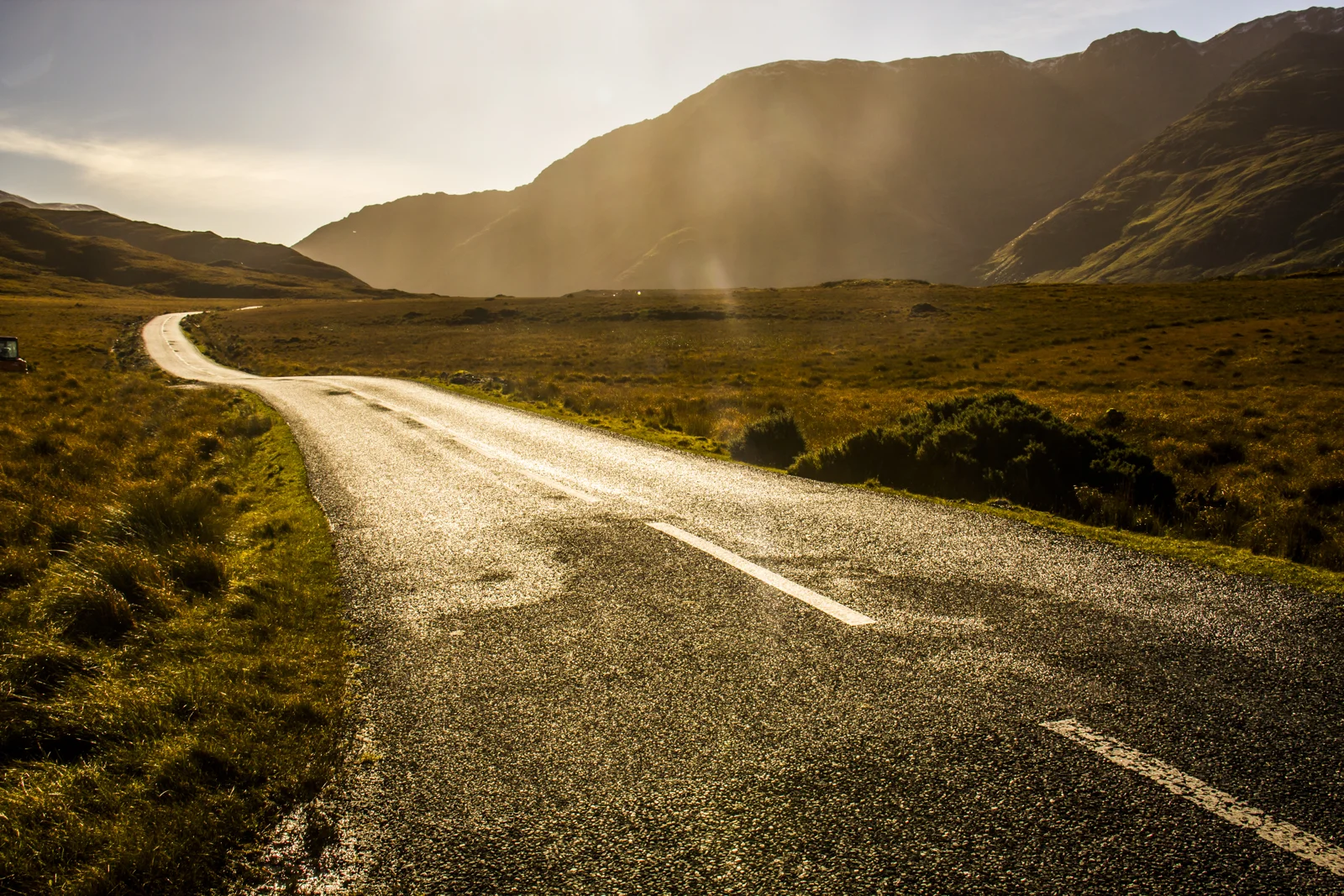
Villiers-Tuthill records that they left the inspection without being provided with food or water. They then faced the return journey through the same exposed country. The road was being travelled by people already exhausted by hunger, not by healthy walkers choosing a day in the mountains.
A mother and her children beside the road
The earliest letter reports five bodies found after the inspection. A mother, her son and her daughter lay beside the road between Louisburgh and Delphi. Two men were found about a mile nearer Louisburgh.
That first account calls the mother Dalton. The later letter names Catherine Dillon, Patt Dillon and Honor Dillon as mother, son and daughter. The surname and residence details differ between the reports. It would be wrong to turn that discrepancy into a second dead family and add both to a casualty list.
The later list also names Catherine Grady and Mary McHale of Wastelands, and James Flynn of Rinnacully. These names give individual identities to people who might otherwise disappear inside a general account of famine deaths. They are not, however, a complete and internally consistent register of everyone who died.
Seven bodies and an uncertain final toll
By the letter dated 13 April, two more bodies had been found on mountain passes, bringing the reported total recovered to seven. The writer also said that nine or ten people had not returned home and that some who did return died soon afterwards.
Those are different categories. A recovered body, a missing person and a reported later death cannot simply be added without knowing whether the accounts overlap. The correspondence supports seven recovered bodies by that stage. It also gives grounds to believe the tragedy extended beyond those seven, but does not establish a dependable final total.
The original report of hundreds refers to the people making the journey. It is not evidence that hundreds died at Doolough. Keeping that distinction does not lessen the deaths that can be traced. The demand that starving families undertake the journey was already a grave failure of relief administration.
The inquests and the struggle for burial
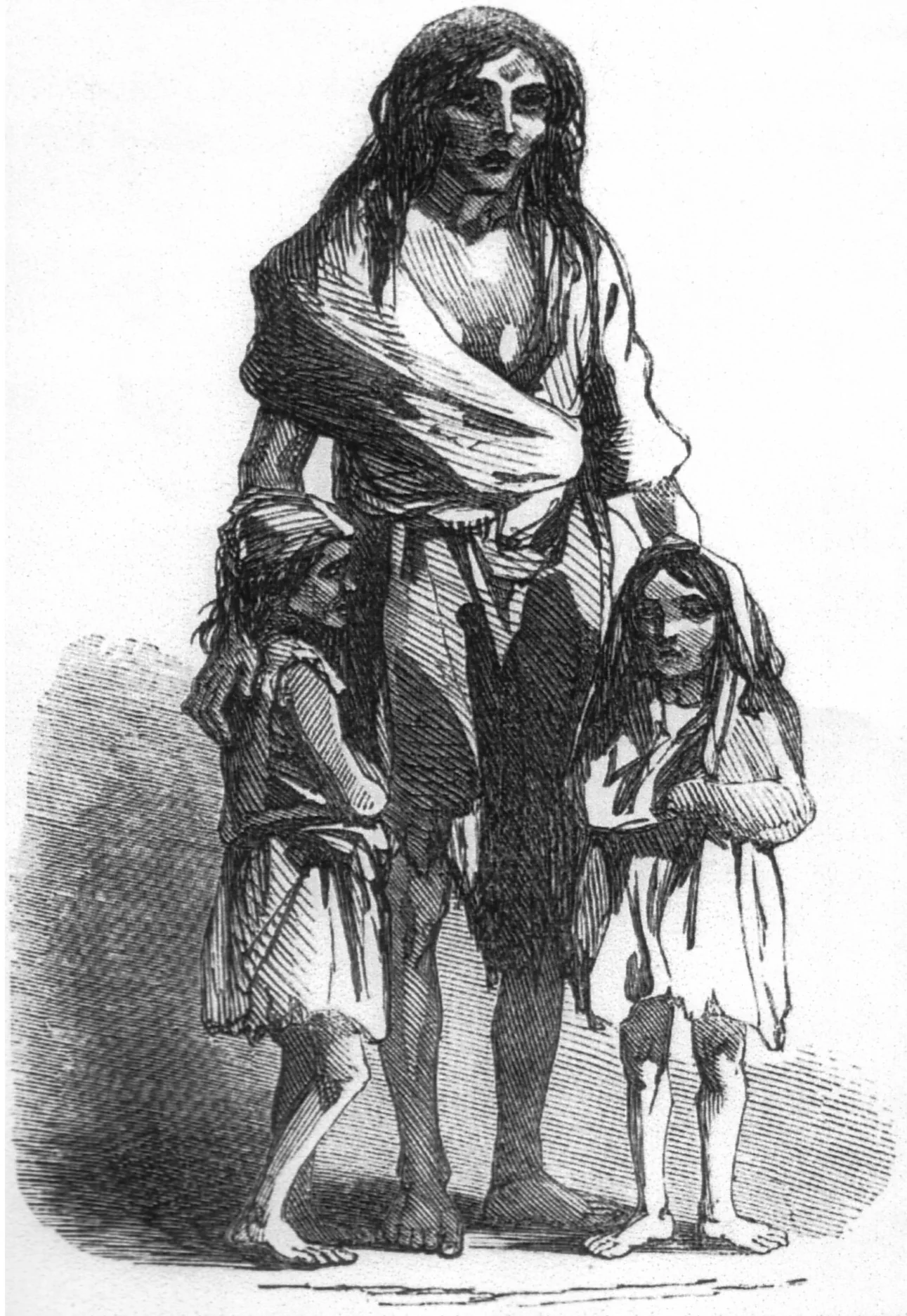
The letters describe indignity continuing after death. The first five bodies reportedly remained exposed for several days before someone buried them in a roadside turf hole.
The later correspondent describes an inquest conducted by Coroner Burke with Doctor Burke, including examination of two bodies. The reported verdict was “Died from starvation and cold”. A second inquest returned the same verdict. Yet the account says that proper coffins and burials were still not provided by the officials involved.
The Catholic curate, Reverend Thomas O’Dowd, supplied five coffins. On 12 April, according to the letter, a Mr Walshe and his men recovered the bodies from their makeshift resting places and arranged burial in a burial ground. The account names the people who undertook that work as well as those it accused of neglect.
Responsibility within the relief system
Doolough happened under British rule, within the Poor Law system through which assistance was controlled. Its officers administered inspections and relief lists. A threat to withdraw support therefore carried force long before anyone reached the mountain road.
The wider history of British Famine relief and food exports explains the policy choices surrounding assistance. At Doolough, the immediate chain was more specific: an inspection in Louisburgh was abandoned, recipients were directed to Delphi and people already weakened by hunger had to travel to retain relief.
Villiers-Tuthill reports that a May newspaper letter announced Carroll’s dismissal and a new arrangement for weekly vice-guardian visits to Louisburgh to revise relief lists. She found no evidence that the public inquiry demanded by the newspaper took place. The dismissal did not settle the competing accounts of responsibility further up the administrative chain.
Remembering the Doolough Famine walk
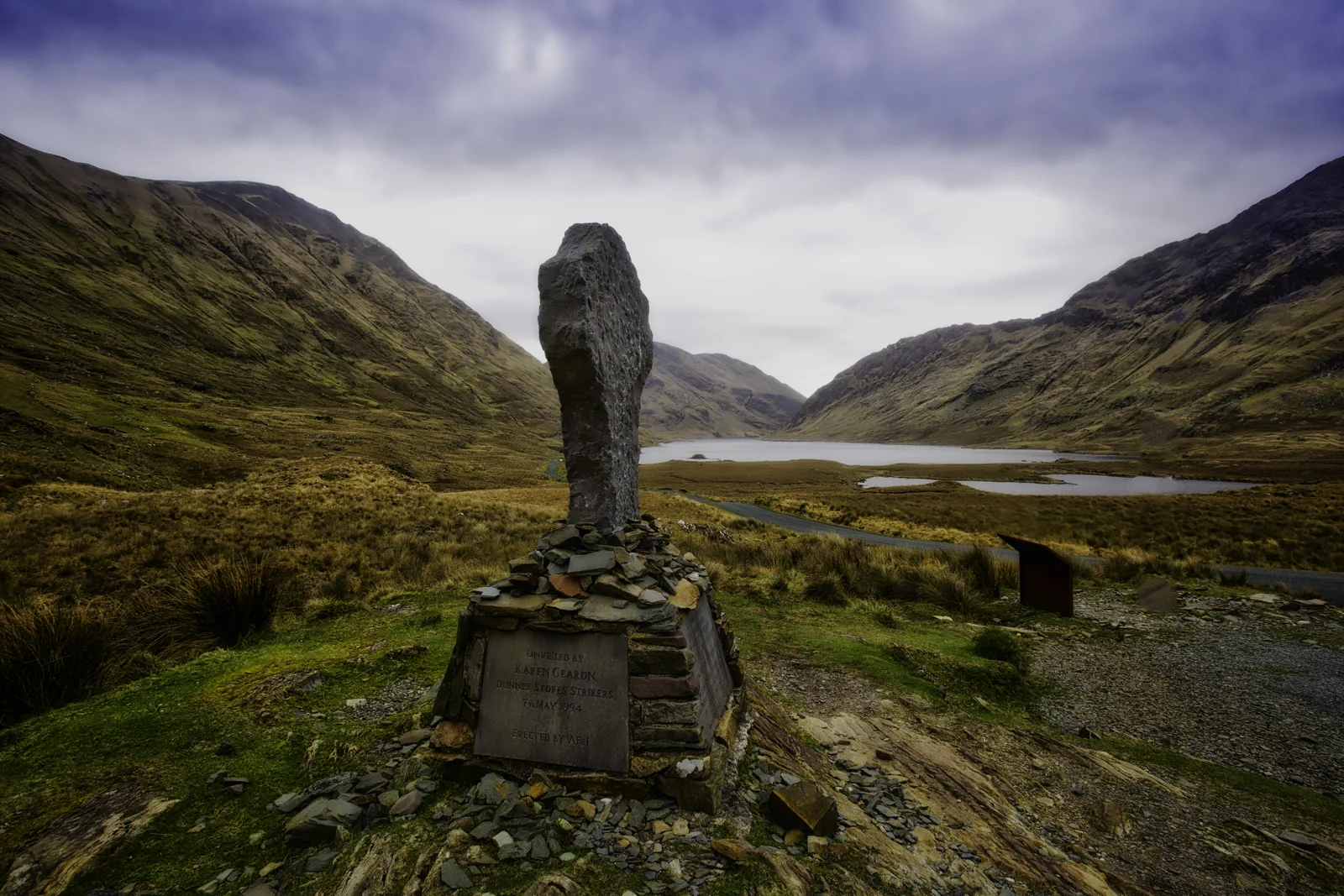
A memorial now stands beside Doo Lough, and the tragedy is commemorated through the annual Famine Walk. The modern landscape offers space for remembrance, but its beauty should not replace the circumstances of the people who crossed it in 1849.
They were seeking assistance, under an instruction backed by the threat of losing it. Contemporary letters describe the consequences in names, bodies recovered and arguments over who gave the order. The mother and children beside the road belong at the centre of that history, alongside the decisions that sent them there.
Frequently asked questions
When did the Doolough tragedy happen?
The relief inspection in Louisburgh was abandoned on 30 March 1849. People were ordered to attend at Delphi the following morning. The first reported bodies were found after the inspection of 31 March.
Why did people walk to Delphi Lodge?
They were receiving outdoor relief and had been ordered to attend an inspection. Contemporary correspondence says that anyone who failed to appear at Delphi risked being removed from the relief list.
How many people died at Doolough?
A contemporary correspondent reported five recovered bodies, then seven. Other people were reported missing or dying after reaching home. These accounts do not establish a reliable final death toll.
Who were the mother and children who died?
The later contemporary letter names Catherine Dillon, Patt Dillon and Honor Dillon as mother, son and daughter. An earlier letter used the surname Dalton. They should not be counted as two separate families.
Sources & further reading
Image credits
- Doo Lough beneath the mountains of County Mayo
Dieglop / Wikimedia Commons · CC BY-SA 4.0
Resized and converted to WebP without cropping. This version retains the same CC BY-SA 4.0 licence.
- Colourful shopfronts along a street in Louisburgh
Postdlf / Wikimedia Commons · CC BY-SA 3.0
Resized and converted to WebP without cropping. This version retains the same CC BY-SA 3.0 licence.
- A narrow modern road running beside Doo Lough
Dieglop / Wikimedia Commons · CC BY-SA 4.0
Resized and converted to WebP without cropping. This version retains the same CC BY-SA 4.0 licence.
- An engraving of Bridget O’Donnel standing with her two children
Illustrated London News / Wikimedia Commons · Public domain
Resized and converted to WebP without cropping. No alteration of historical detail.
- Stone Famine memorial overlooking Doo Lough
Chris Hood / Wikimedia Commons · CC BY 2.0
Resized and converted to WebP without cropping. No alteration of historical detail.


Something we should correct? Send a correction.
Keep reading
More stories
World history · 8 min read
How the British Empire Rose and Fell
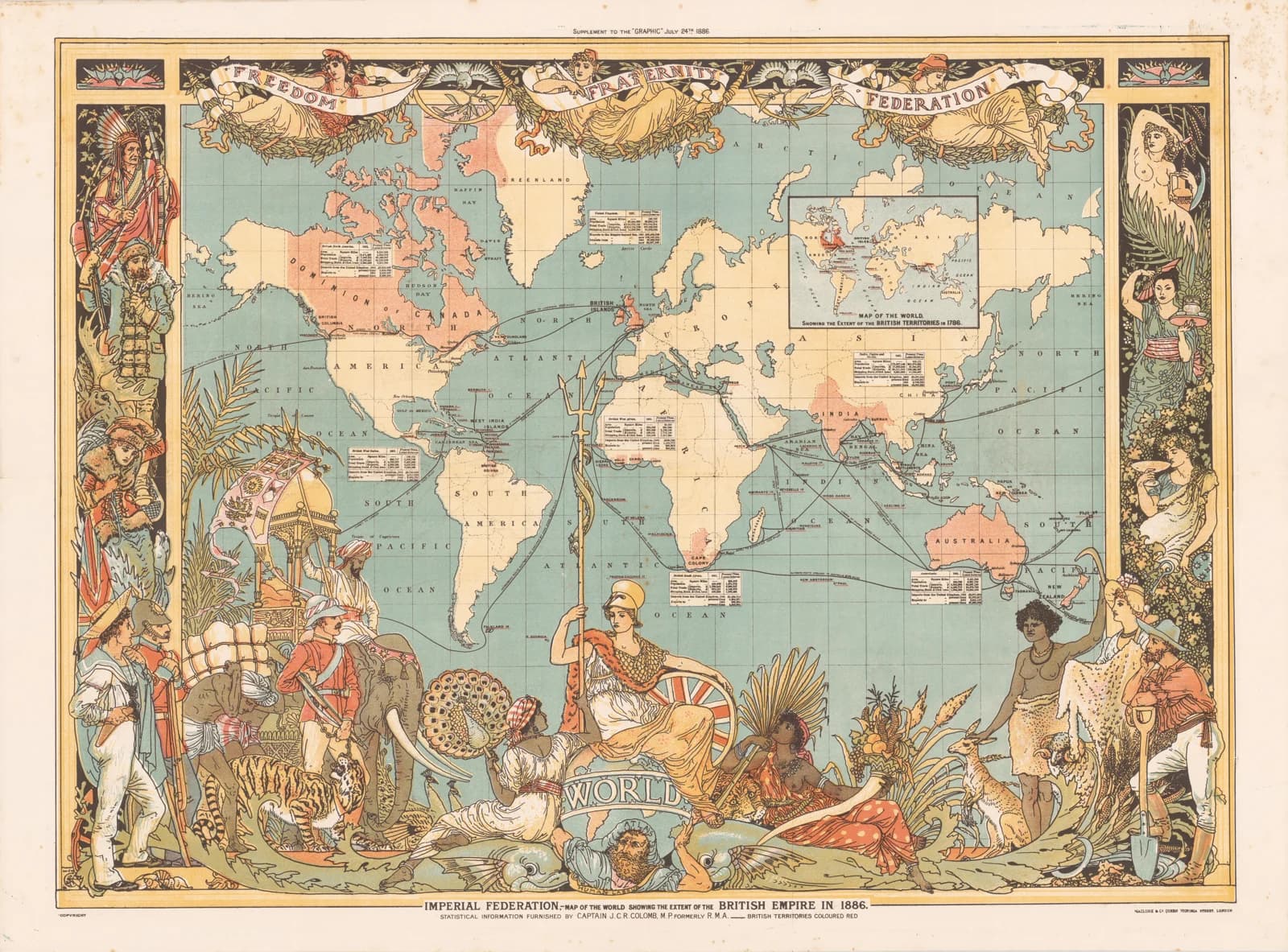
How Britain built its empire through conquest, trade and slavery, and how resistance, world wars and independence movements ended colonial rule.
Australian history · 7 min read
British Invasion of Australia: Land and Aboriginal Resistance
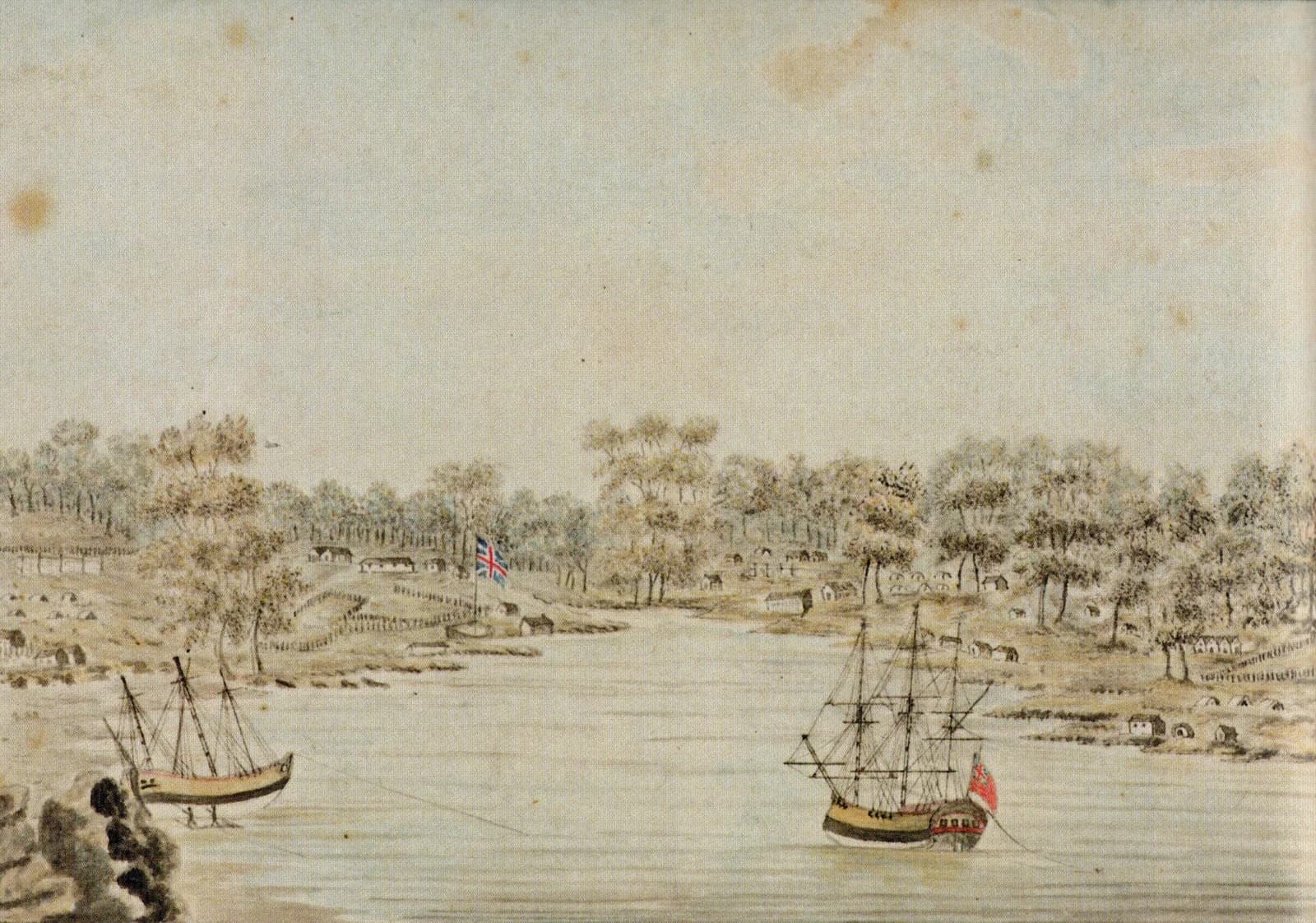
How Britain’s invasion of Australia took Aboriginal land, from Sydney Cove and Pemulwuy to Tasmania, Myall Creek, the Stolen Generations and Mabo.
Irish history · 6 min read
Connaught Rangers Mutiny: Why Irish Soldiers Refused Duty in India
Why the Connaught Rangers mutinied in India in 1920, how British guards killed two soldiers and why James Daly faced a firing squad.