Irish history
How England Conquered Ireland: Invasion, Land and Power
How English conquest changed Ireland, from the Anglo-Norman invasion of 1169 to Tudor rule, plantations, Cromwell and partition.
English conquest changed Ireland through successive invasions, the seizure and redistribution of land and the extension of royal government. The first Anglo-Norman forces arrived in 1169. Centuries passed before the English Crown could enforce its authority across the island, and each new campaign changed who held power and who could keep their land.
The men who landed in medieval Wexford were not fighting for the United Kingdom, which did not yet exist. Later Tudor armies, Scottish settlers and Cromwell's soldiers belonged to different political worlds. An intervention in an Irish king's dispute developed into conquest, colonisation and government from London.
For the longer account, watch England’s Invasion of Ireland: Centuries of Resistance, our 44-minute documentary.
Why Anglo-Norman soldiers came to Ireland in 1169
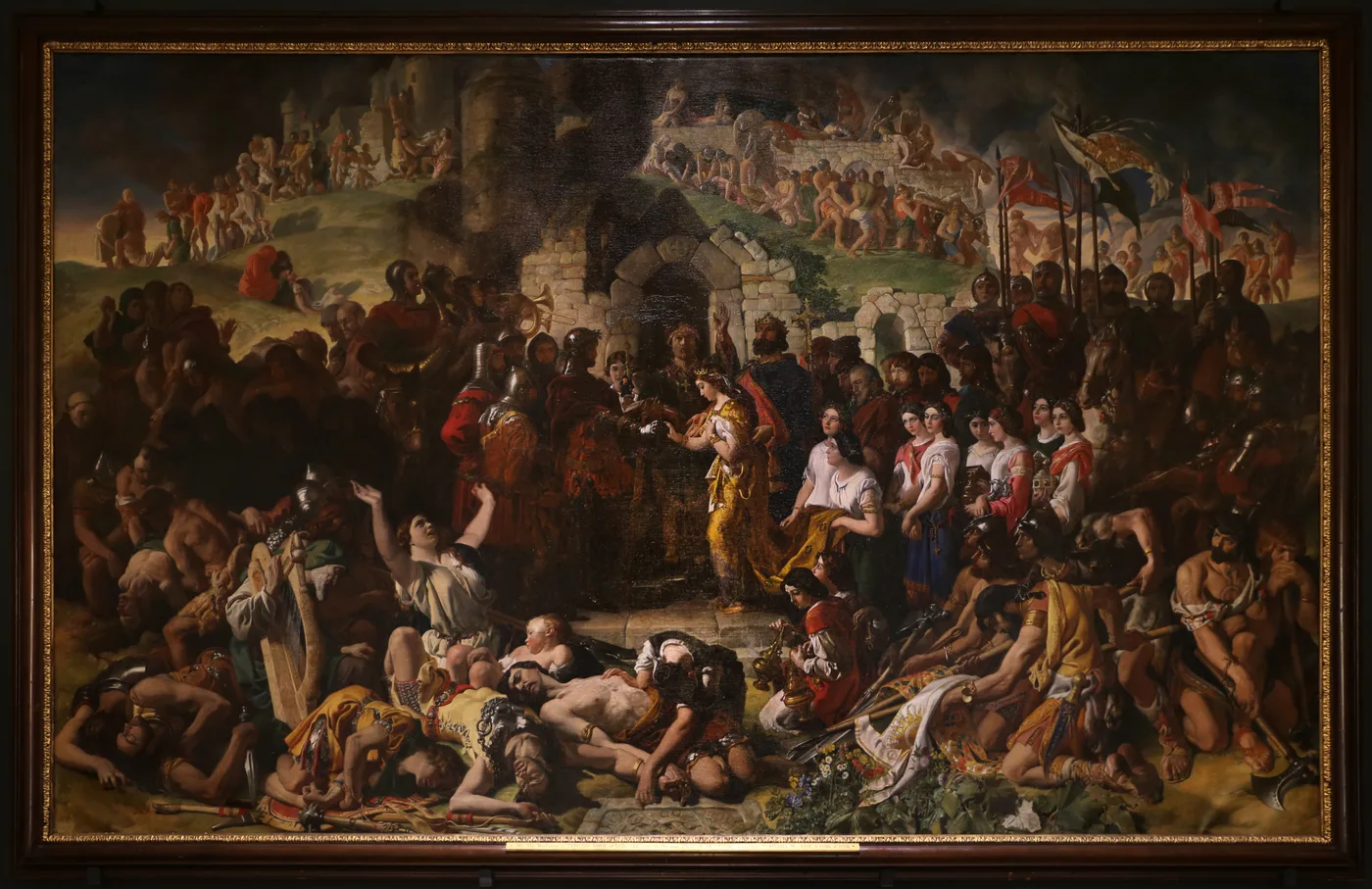
Diarmait Mac Murchada, the deposed king of Leinster, sought military support to recover his kingdom. Anglo-Norman troops arrived in 1169. Richard de Clare, better known as Strongbow, followed in 1170. The Oxford Dictionary of National Biography traces these expeditions to Mac Murchada's search for allies. The invaders captured Waterford and Dublin.
Their success created a problem for Henry II. Powerful men owing allegiance to him were acquiring territory across the Irish Sea. In October 1171, the king came to Ireland with an army to assert his own authority. The intervention had grown beyond the restoration of one ruler. CAIN's chronology traces these early campaigns and the limits of the control that followed.
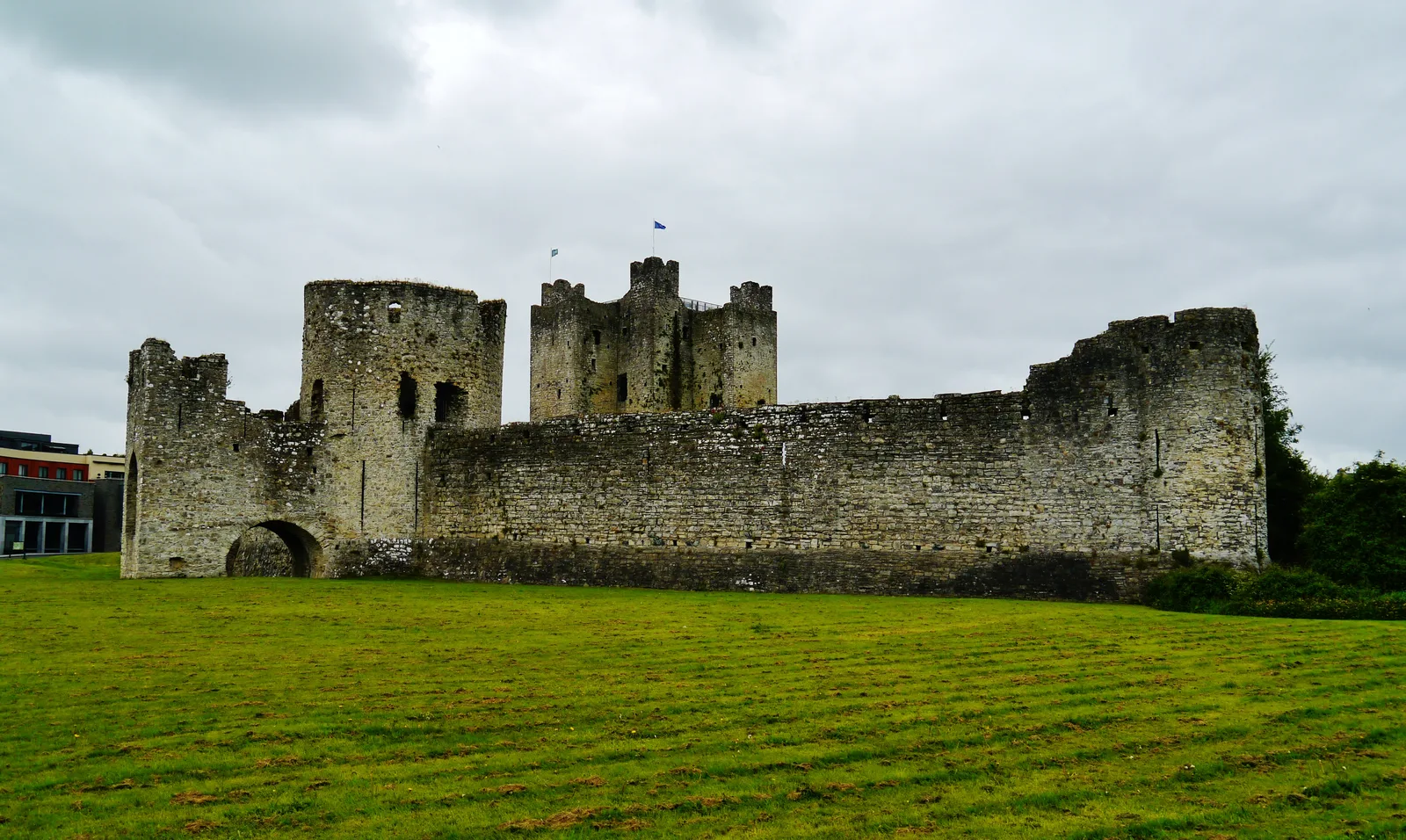
Conquest left physical foundations for new lordships. Henry granted Meath to Hugh de Lacy, whose wooden stronghold at Trim was destroyed in 1172. Construction of the stone castle began the next year. At Dublin, King John ordered a new stronghold around 1204. Dublin Castle later became the administrative centre of English rule. These were places from which rulers could protect resources and exercise authority, as well as defend themselves. The Office of Public Works' Anglo-Norman Trail follows several of these sites.
Why royal control remained incomplete
A royal claim to Ireland did not mean that royal officials governed every district. Gaelic rulers retained substantial territories. Anglo-Irish families also built powerful lordships beyond effective central control. The area around Dublin known as the Pale became the main centre of direct royal authority.
Possession could change hands. Roscommon Castle, built for the Crown around 1269, was back in O'Conor hands by 1340. They retained it for almost two centuries. The castle's history records both its construction and its recovery by the family it had helped to displace.
Ireland also retained a legal tradition that the invaders had not created. Brehon law survived alongside the growing English system. The Courts Service's history of Irish law describes its origins in customary law and its survival into the seventeenth century. Military footholds, legal authority and everyday government spread at different speeds.
The Tudors extended conquest and changed the law
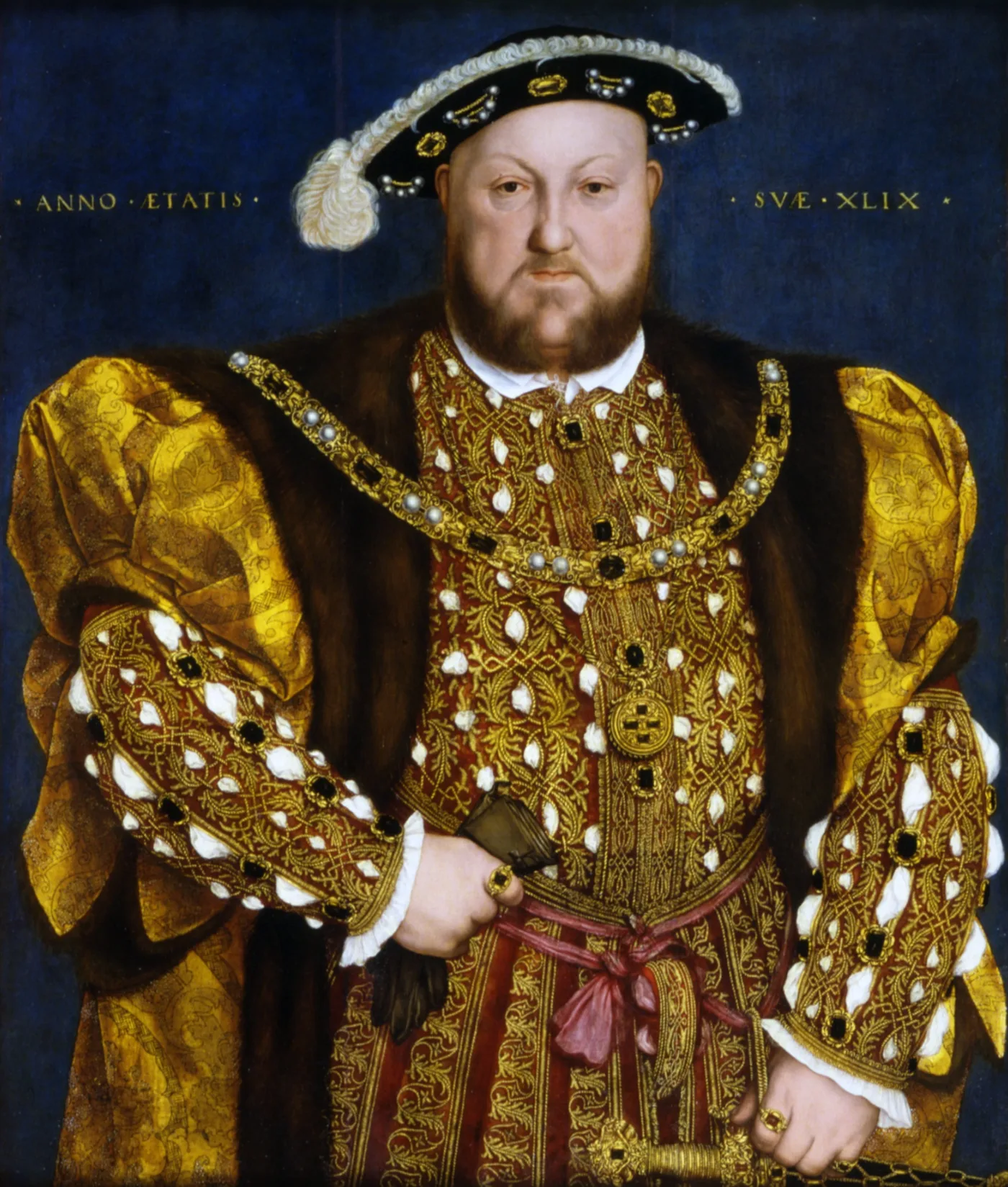
During the sixteenth century, English officials pressed for much stronger control. Henry VIII became King of Ireland in 1541, but the new title did not itself deliver obedience throughout the country.
Officials disagreed about how to achieve it. Some favoured regional military conquest. Henry resisted the expense. Under the alternative policy called surrender and regrant, Irish lords could acknowledge the Crown and receive titles and land under royal authority. Historian David Heffernan's research connects the military proposals of the 1530s with the later intervention in the midlands. Negotiation and conquest were competing methods within the same drive to extend government.
The Nine Years' War ended in 1603. The defeat of the Gaelic alliance allowed the Crown to impose authority far more widely. Legal change followed as English courts rejected customary rules governing land and succession. The Law Society's account identifies the early seventeenth-century cases concerning gavelkind and tanistry as major steps in the displacement of Brehon law.
For a family claiming land, the rules recognised by a court could determine whose claim survived. The spread of English law altered the institutions through which disputes were decided, alongside the military changes in who could enforce a decision.
The Ulster Plantation transferred land and power
After the Flight of the Earls in 1607, the Crown confiscated land across six Ulster counties: Armagh, Cavan, Donegal, Fermanagh, Londonderry and Tyrone. Officials planned a plantation to secure control through new ownership and settlement.
The scheme required more than bringing people across the sea. Officials surveyed land, investigated titles and allocated estates. Settlers arriving in the second half of 1610 entered a planned structure. The Public Record Office of Northern Ireland's collection of plantation documents records the planning as well as the settlement.
English and Scottish migration also developed outside the official scheme, particularly in Antrim and Down. Ulster's colonisation therefore extended beyond the six plantation counties. It changed communities as well as ownership: new settlers arrived while existing inhabitants faced the consequences of confiscation and new landlords. Conquest was being secured through the distribution of land.
Cromwell's campaign and the confiscations that followed
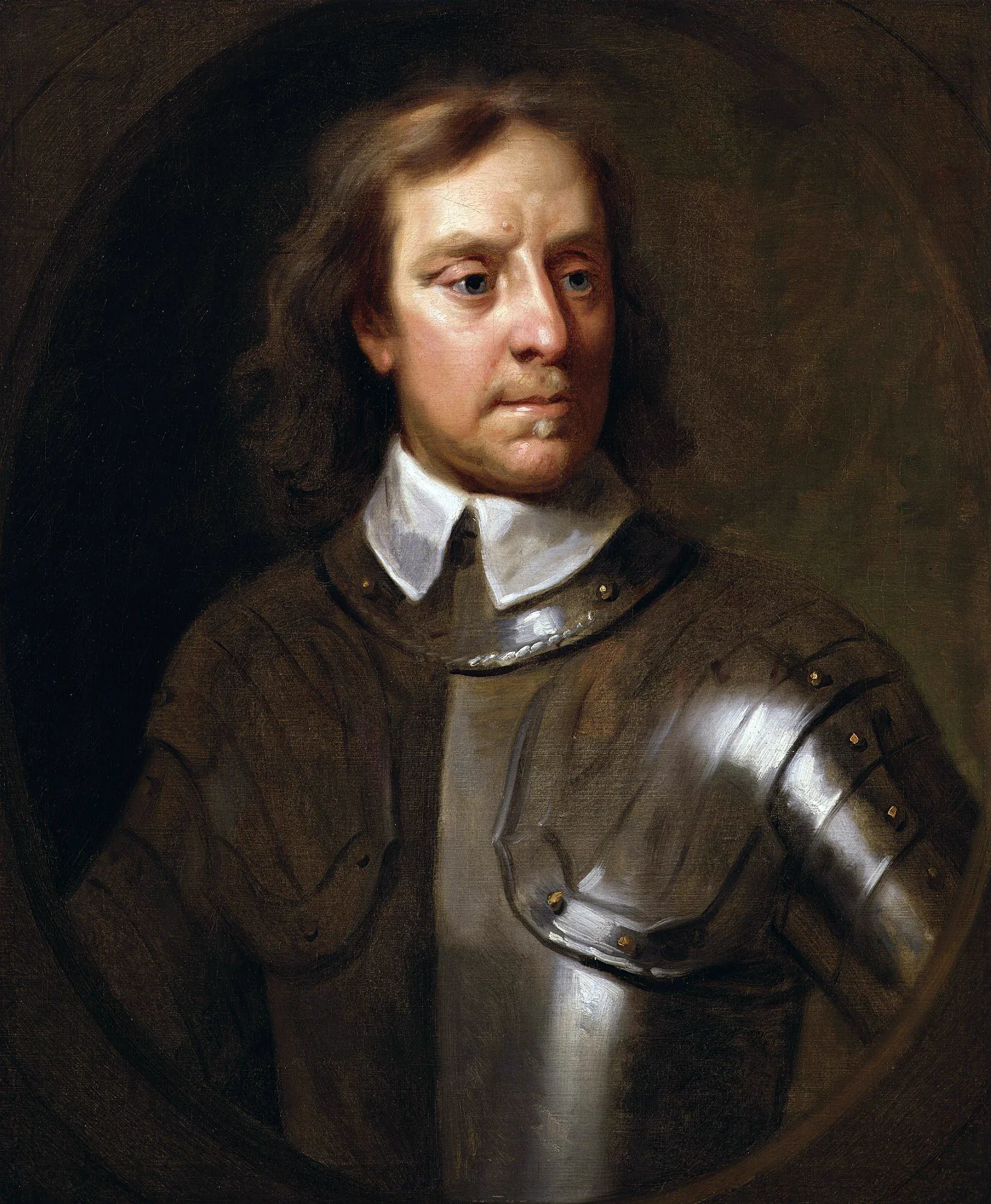
In 1649, Oliver Cromwell arrived to defeat the royalist alliance in Ireland. The campaign formed part of the wars that had overturned the monarchy in England. It was not the beginning of English intervention in Ireland, but it brought another period of devastating violence.
At Drogheda and Wexford, Cromwell's troops killed soldiers and civilians. Historic Royal Palaces' account describes the sieges and the royalist resistance Parliament intended to destroy. Cromwell departed in May 1650; the Commonwealth conquest continued until 1653. Other commanders completed the conquest after his departure.
The Act of Settlement of 1652 authorised extensive confiscation of Catholic-owned land. The resulting redistribution strengthened Protestant ownership and political power. Catholics were also excluded from voting for or sitting in Parliament. Parliament's history of the settlement describes the shift in both property and civic life.
These measures gave military defeat consequences that lasted after fighting stopped. Losing an estate meant losing the income and influence attached to it. Exclusion from political institutions narrowed the means of contesting the new arrangements.
Cromwell also invaded Scotland in 1650, where military defeat was followed by incorporation into the Commonwealth. Scotland's later parliamentary union followed a different course from Ireland's.
Union moved parliamentary government to London
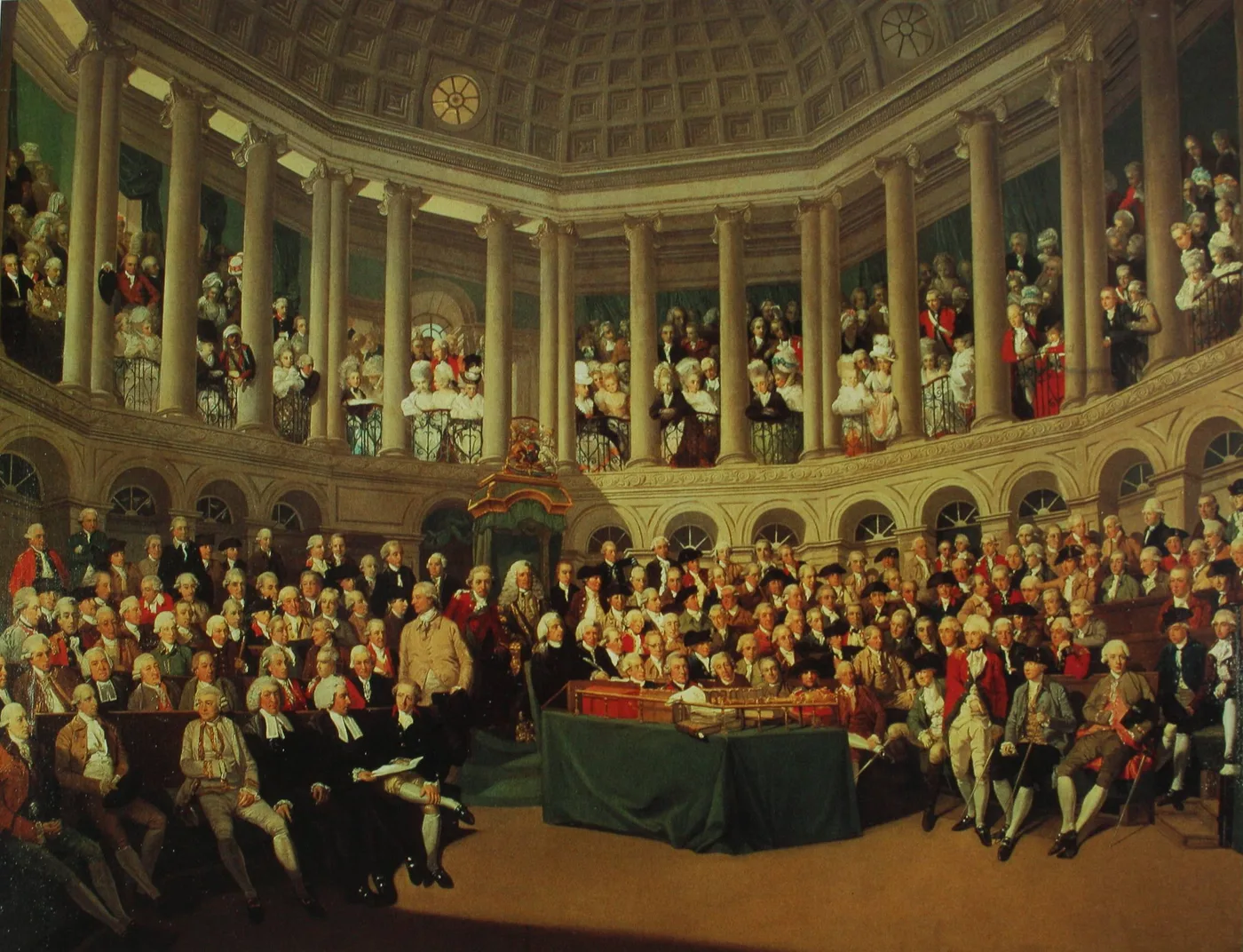
The Act of Union came into force on 1 January 1801. Ireland's separate Parliament ceased to exist, and legislative government was brought together at Westminster.
Union required political bargaining. The Irish House of Commons initially rejected the proposal in 1799. The British government worked to secure a different outcome, including promises of peerages and pensions to gain support. Both houses of the Irish Parliament accepted the terms in March 1800. Parliament's account of the negotiations sets out how that reversal was achieved.
Under the Union, legislation for Ireland passed through Westminster. This differed from both medieval lordship and Tudor kingship, which had operated through other institutions. During the Great Famine, Westminster set the relief rules that shaped access to food and assistance.
Independence and partition
The Easter Rising and the executions of 1916 helped widen support for the republican movement before the later struggle for independence.
The War of Independence forced another settlement. The Government of Ireland Act 1920 provided for separate northern and southern parliaments. The northern institution functioned, while the southern scheme failed to resolve the conflict. A truce in July 1921 opened the way to negotiations.
The Anglo-Irish Treaty was signed on 6 December 1921. The Irish Free State came into being a year later, initially as a self-governing Dominion. Northern Ireland's parliament chose to remain in the United Kingdom. The Treaty divided the independence movement and was followed by civil war. The House of Commons Library's Treaty history explains the constitutional settlement and its implementation.
Most of Ireland had left the United Kingdom, but partition remained. The route from the landing of 1169 to the settlement of 1922 passed through changing rulers, repeated resistance and successive transfers of land. Those changes determined where political authority lay, which courts could enforce it and who possessed the property on which much of that authority depended.
Frequently asked questions
When did England first invade Ireland?
The Anglo-Norman invasion began in 1169, when troops arrived to help Diarmait Mac Murchada recover Leinster. Strongbow followed in 1170. Henry II arrived in 1171 to assert royal authority over the expanding conquest.
Did England control all of Ireland after 1169?
No. Gaelic rulers and powerful Anglo-Irish lords retained control over large areas for centuries. The Tudor campaigns extended royal authority much further, with the Nine Years’ War ending in 1603.
What was a plantation in Irish history?
A plantation was a colonisation scheme involving land granted to settlers and new owners. The official Ulster Plantation covered six counties after the Flight of the Earls in 1607. English and Scottish settlement also developed outside that official scheme.
Did Cromwell begin the English conquest of Ireland?
No. Cromwell arrived in 1649, almost five centuries after the first Anglo-Norman invasion. His campaign and the Commonwealth conquest that continued after his departure were followed by extensive confiscation of Catholic-owned land.
When did most of Ireland leave the United Kingdom?
The Irish Free State was established on 6 December 1922 under the Anglo-Irish Treaty. Northern Ireland's parliament chose to remain in the United Kingdom. The Free State initially had Dominion status, rather than the republican settlement sought by many nationalists.
Sources & further reading
- John Cottrell: Anglo-Norman invaders of Ireland, accessible extract ↗
- Ulster University, CAIN: Chronology of key events, 1169 to 1799 ↗
- Office of Public Works: Anglo-Norman Trail ↗
- David Heffernan: The reduction of Leinster and the origins of the Tudor conquest, abstract ↗
- Courts Service: History of the law in Ireland ↗
- Law Society Gazette: Irish ways and Irish laws ↗
- Public Record Office of Northern Ireland: Plantations in Ulster, 1600–41 ↗
- Historic Royal Palaces: Oliver Cromwell ↗
- UK Parliament: From Cromwell to the Boyne ↗
- UK Parliament: Parliamentary union ↗
- House of Commons Library: A century since the Anglo-Irish Treaty ↗
Image credits
- Trim Castle's stone curtain wall and central keep in County Meath, Ireland
Zairon / Wikimedia Commons · CC BY 4.0
Resized and converted to WebP.
- Daniel Maclise painting of the marriage of Strongbow and Aoife amid the aftermath of battle
Daniel Maclise; photograph by Sailko / Wikimedia Commons · CC BY 3.0
Resized where necessary and converted to WebP. No cropping or historical detail altered.
- Painted portrait of Henry VIII wearing a gold embroidered coat and jewelled cap
Hans Holbein the Younger / Galleria Nazionale d’Arte Antica, via Wikimedia Commons · Public domain
Resized where necessary and converted to WebP. No cropping or historical detail altered.
- Painted portrait of Oliver Cromwell wearing armour over a white collar
After Samuel Cooper / National Portrait Gallery, via Wikimedia Commons · Public domain
Resized where necessary and converted to WebP. No cropping or historical detail altered.
- Francis Wheatley painting showing the Irish House of Commons in session
Francis Wheatley / Lotherton Hall, via Wikimedia Commons · Public domain
Resized where necessary and converted to WebP. No cropping or historical detail altered.


Something we should correct? Send a correction.
Keep reading
More stories
World history · 8 min read
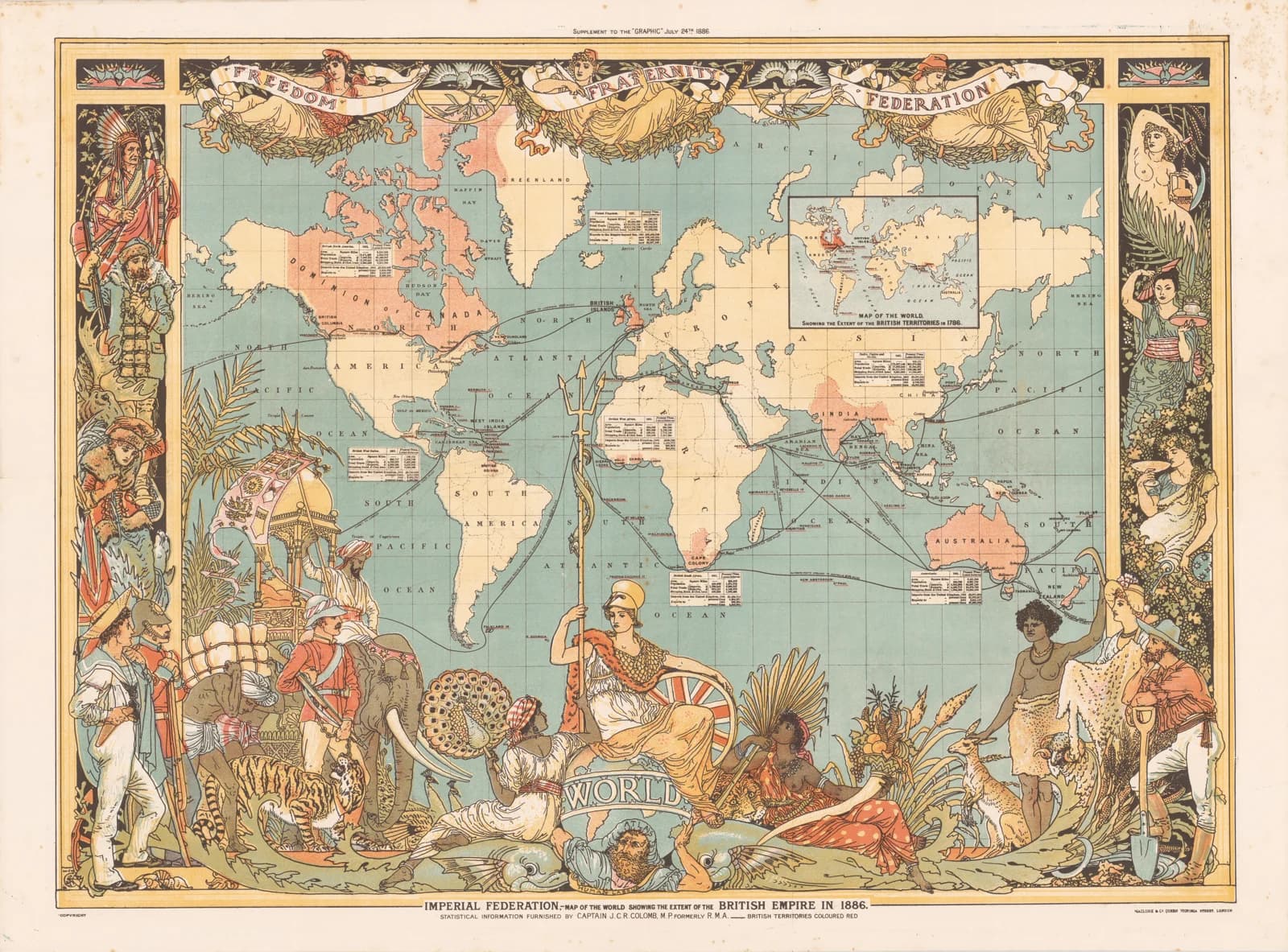
How the British Empire Rose and Fell
How Britain built its empire through conquest, trade and slavery, and how resistance, world wars and independence movements ended colonial rule.
Australian history · 7 min read
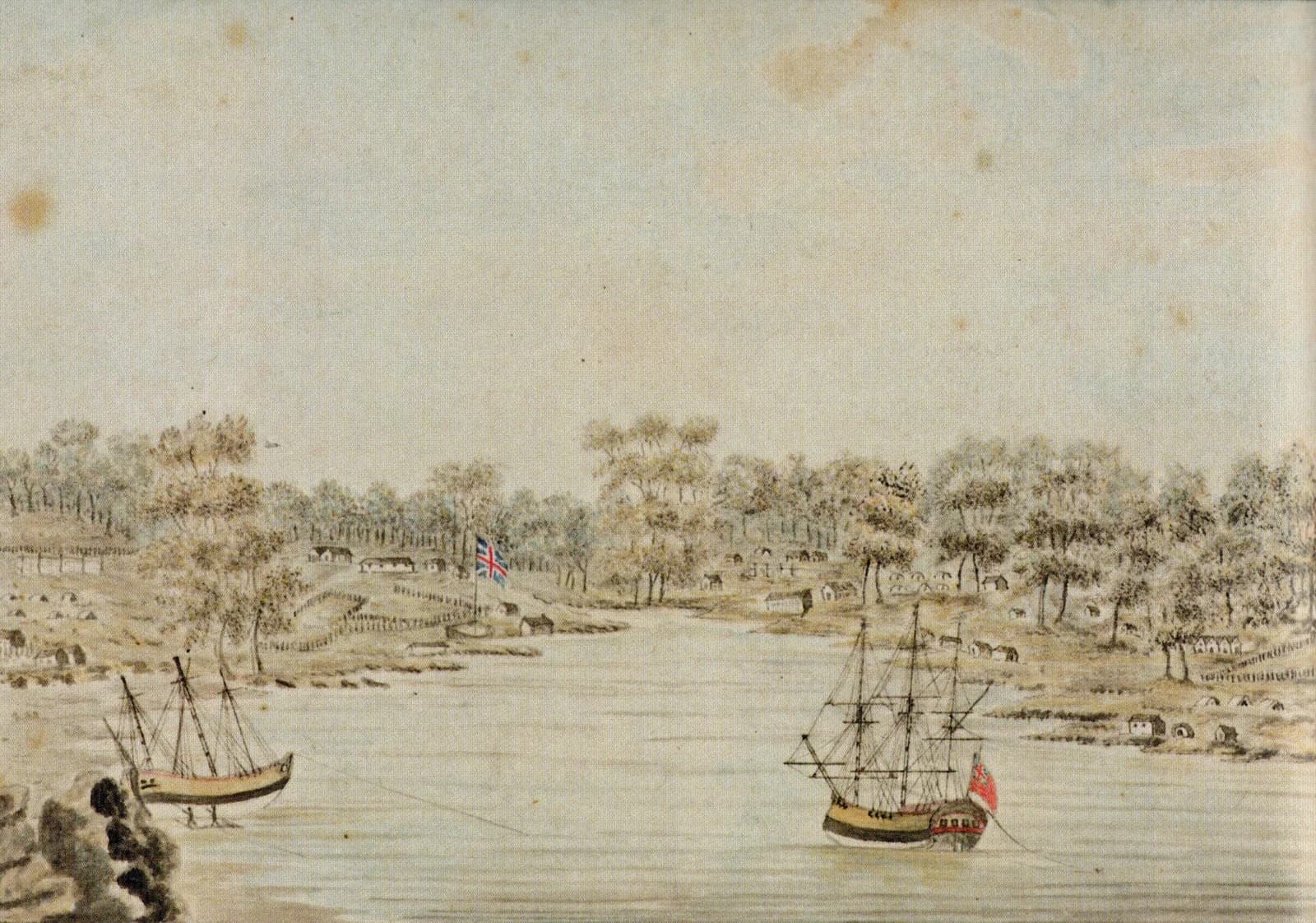
British Invasion of Australia: Land and Aboriginal Resistance
How Britain’s invasion of Australia took Aboriginal land, from Sydney Cove and Pemulwuy to Tasmania, Myall Creek, the Stolen Generations and Mabo.
Irish history · 7 min read
The Guildford Four: False Confessions and Wrongful Convictions
How police evidence put the Guildford Four in prison, why their convictions collapsed and what happened to Giuseppe Conlon and the Maguire Seven.