Palestinian history
Ottoman Palestine: Conquest, Land and the End of Empire
How Ottoman rule changed Palestine from 1516 to 1918: Jerusalem, land registration, rural dispossession and the wartime collapse of imperial rule.
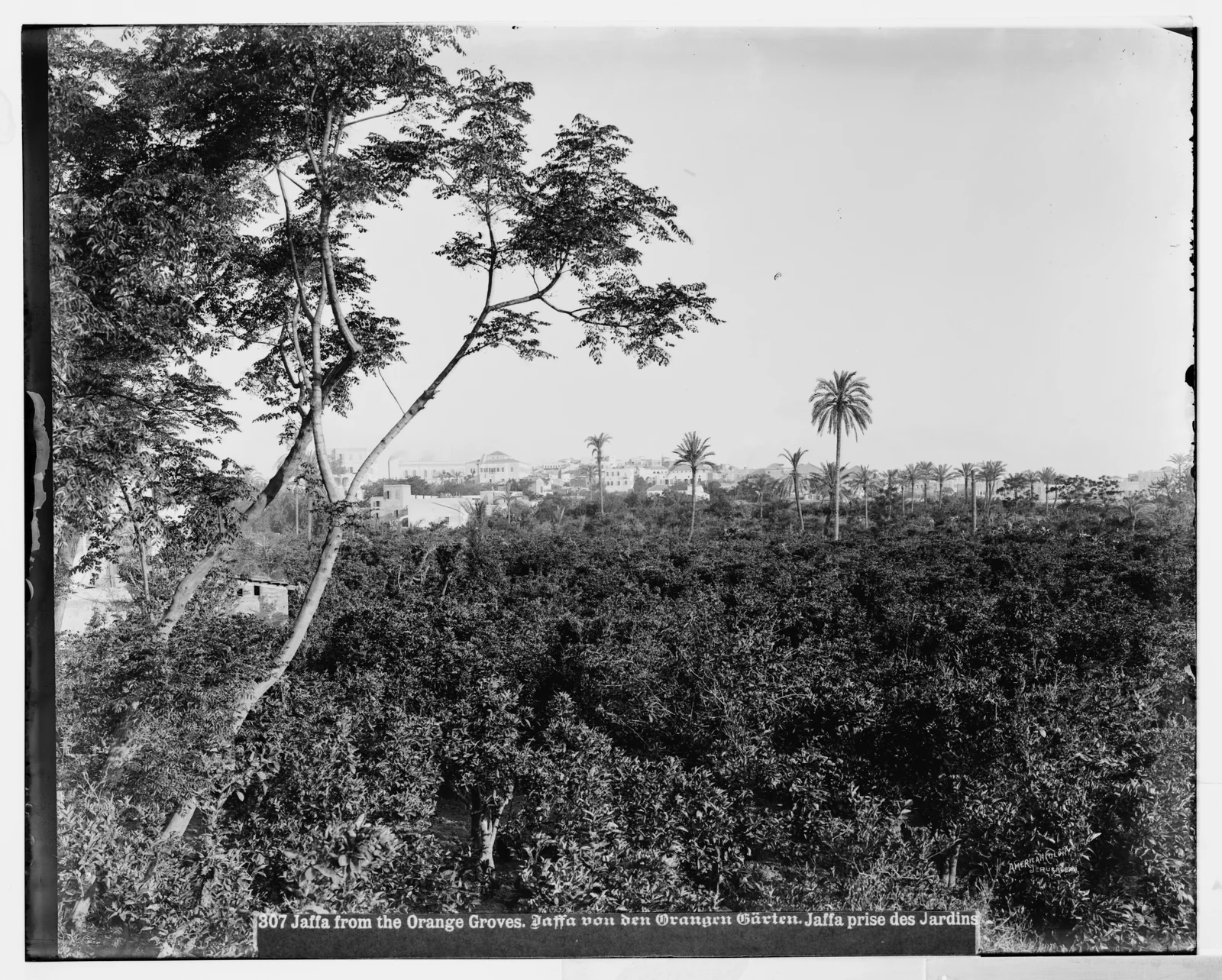
Ottoman forces conquered Palestine in 1516. Over the next four centuries, sultans, governors and powerful landholders reshaped its government and countryside. Jerusalem gained new walls and public works. Farmers faced changing claims to their land. The empire's final war brought conscription, confiscation and hunger before British armies took control in 1917–1918.
The Ottoman period explains both the institutions that survived into British rule and the pressures already bearing down on Palestinian communities. Our short video introduces that history; the story below follows the changes in government, property and everyday survival.
How did the Ottomans conquer Palestine?
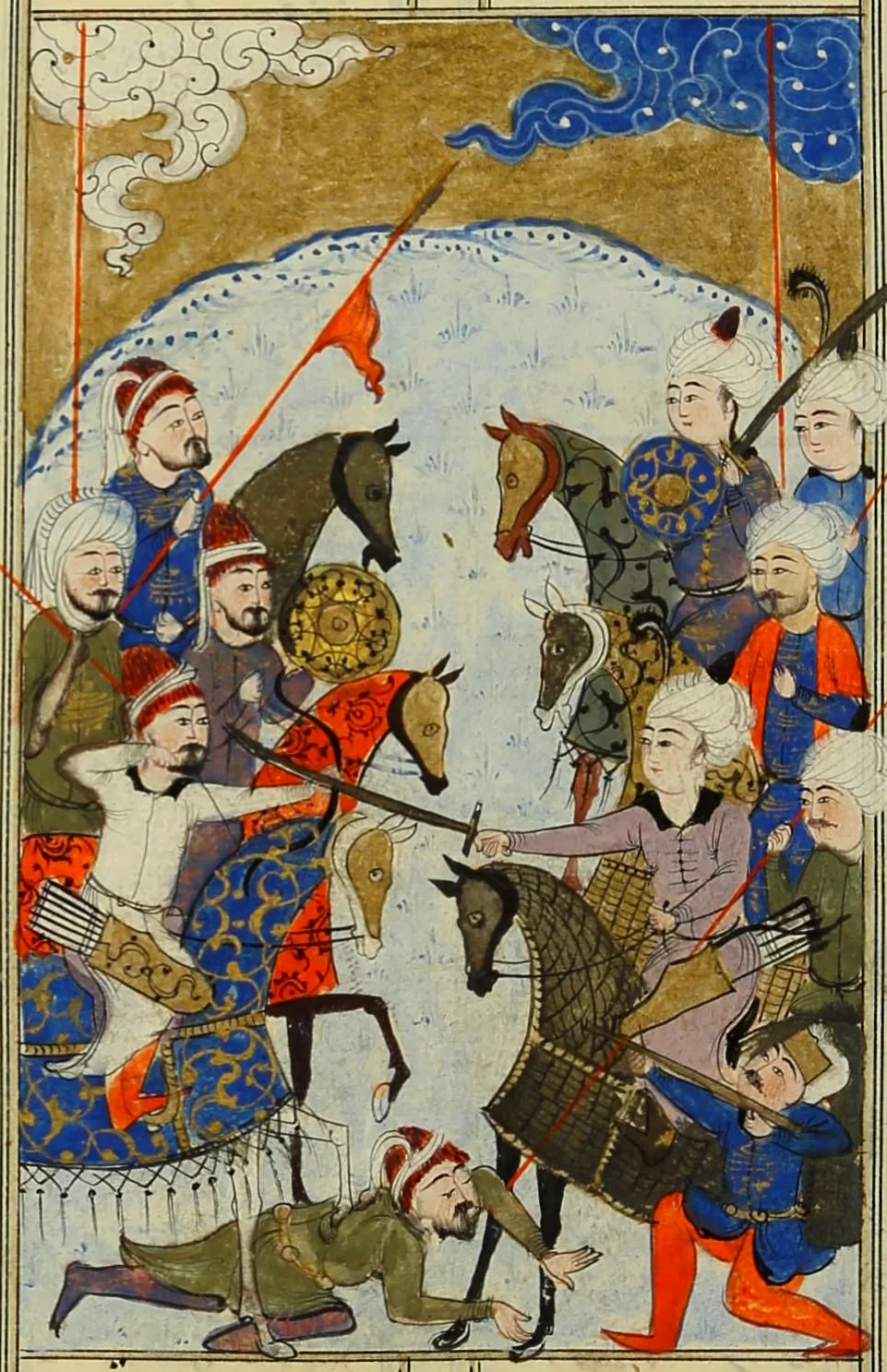
Palestine belonged to the Mamluk realm before Sultan Selim I's armies advanced into the Levant in 1516. Their victory over the Mamluks brought the country into an empire governed from Istanbul. The conquest transferred sovereignty over an inhabited landscape of towns, villages and religious communities.
Alex Winder's account of Ottoman rule describes how the new rulers incorporated local elites into taxation and government. Imperial authority depended on people who could collect revenue and exercise influence locally.
That relationship could provoke resistance. In Jerusalem, repressive government and taxation helped trigger the Naqib al-Ashraf rebellion of 1703–1705. Ottoman rule also faced challenges from regional rulers. Ibrahim Pasha's invasion from Egypt in 1831 interrupted Istanbul's control until the Egyptian army withdrew in 1840. Four centuries of Ottoman sovereignty did not mean four centuries of unchanged administration.
What did Suleiman build in Jerusalem?
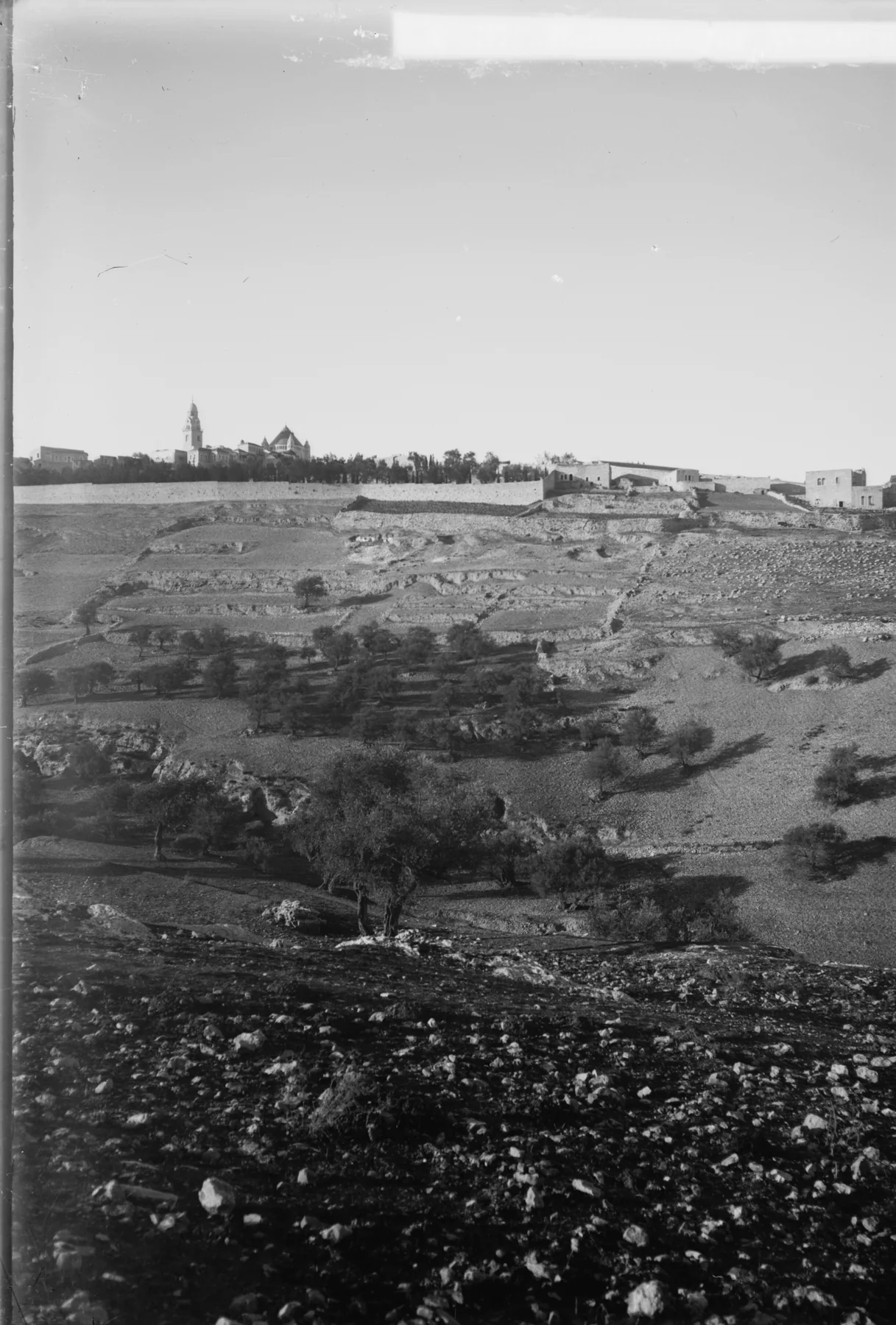
Suleiman, who became sultan in 1520, commissioned major works in Jerusalem. His programme restored water supplies, added fountains and renewed religious buildings as well as the city's defences. The surviving walls belong to his reign, decades after the original conquest.
The Enjoy Jerusalem heritage account describes the rebuilding of the water system supplying the city from the south. Public fountains supplied drinking and washing water. Renovation at the Haram al-Sharif included the Dome of the Rock, where tile and marble replaced earlier exterior mosaics.
These works made imperial authority visible in the streets. A wall controlled entry; a fountain supplied an everyday need; work on a holy place advertised the ruler's religious patronage. The buildings served inhabitants while also associating the sultan with protection and provision.
How was Ottoman Palestine governed?
Palestine was a geographical name, but its territory did not normally form one Ottoman province. Provincial boundaries and the position of individual districts changed repeatedly.
Historian Butrus Abu-Manneh traces those reorganisations. After the Egyptian withdrawal in 1840, Jerusalem's district absorbed Jaffa and Gaza. Nablus was briefly joined to it, then separated again. The government experimented with a larger Jerusalem province in 1872, but that arrangement lasted only two months.
By the empire's later decades, Jerusalem had a governor reporting directly to Istanbul. Acre and Nablus belonged to the province of Beirut following the reorganisation of 1888. Jerusalem's special status reflected its religious importance and the attention European governments paid to the holy places.
These were administrative divisions within an empire. They did not make the people living between those boundaries disappear. Nor should a map of the later British Mandate be projected backwards as though Ottoman officials had always governed exactly the same territory through a single office.
What did land registration change for Palestinian farmers?
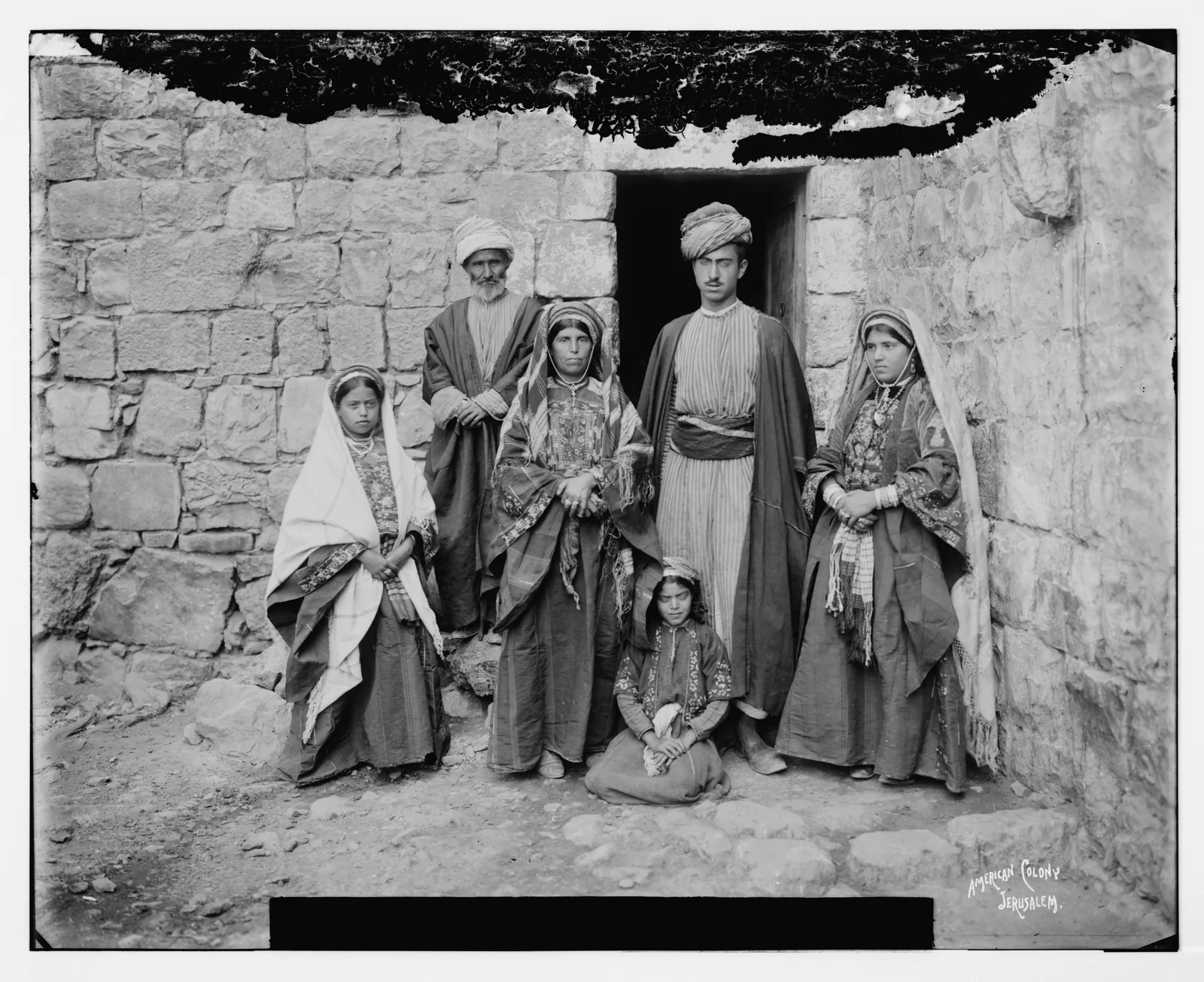
The Ottoman Land Code of 1858 and subsequent registration measures changed how claims to agricultural land could be formalised. A family might have cultivated a field for generations without holding the kind of paperwork that officials now required.
Historian Amos Nadan argues that registration strengthened non-cultivators, who could purchase land, confiscate it or manipulate registration. Cultivators could become tenants on land they had previously treated as their own. The distinction affected who collected income and who could sell the property.
Kristen Alff's research into northern Palestine gives greater weight to changing commercial relationships and later coercion. She documents the Sursuq family's efforts to consolidate claims, alongside villagers' petitions and successful recovery of some deeds. Rights to houses, trees and cultivation did not necessarily pass together.
The disagreement concerns how dispossession developed, not whether it happened. Treating the Land Code as a switch that instantly removed every farmer conceals the officials, companies and transactions through which particular families lost their rights. Treating every registered sale as harmless conceals the cultivators whose livelihoods depended on the land.
How did land sales connect to Zionist settlement?
Late Ottoman Palestine already had Jewish communities. The growth of organised Zionist settlement introduced a political project seeking a Jewish national home in the same country. Land acquisition became a source of conflict with Palestinian cultivators.
Alff examines contracts between Beirut-based land companies and the Jewish Colonization Association. A major 1902 agreement envisaged removing peasant families. Signing a contract did not, however, give the buyers immediate possession of everything it described. Existing rights and resistance obstructed those plans.
Some large transactions were completed only after Ottoman rule had ended, under the British Mandate. Landholders seeking profit, purchasing organisations seeking settlement and farming families defending their homes had different interests in the same fields.
Our Palestine before 1948 story follows the later society through British government, immigration and the Nakba.
How did war bring hunger to Palestine?
The First World War placed military demands on households already dependent on harvests and trade. Ottoman authorities conscripted men and requisitioned supplies. The army's confiscation of provisions and the Allied coastal blockade reduced food available to civilians. Hunger left people vulnerable to disease.
The Library of Congress account of wartime aid records how an American Colony workshop supported women whose male relatives were in military service or labour corps. Eventually, women became too hungry to continue working. The Colony also operated a soup kitchen. Relief could keep people alive without removing the military policies that had helped create their need.
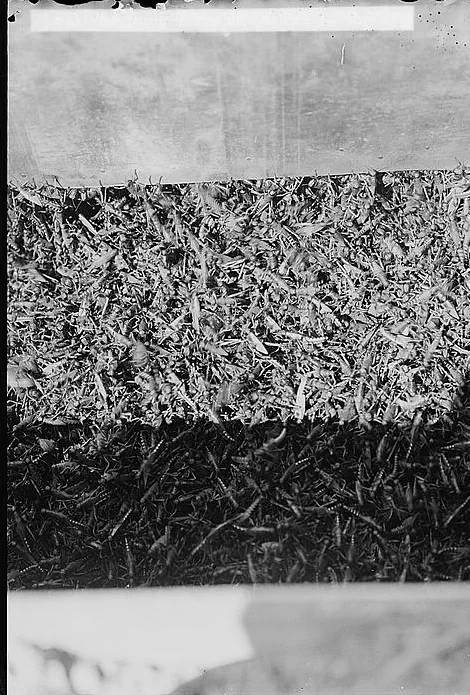
In 1915, locusts stripped crops and vegetation. The Colony's photographers documented the destruction at the request of Djemal Pasha, the Ottoman commander. The surviving locust album includes views of a fig tree before and after the insects attacked. Authorities ordered residents to collect eggs in an attempt to suppress the next generation.
The crop disaster compounded a crisis caused by war. Ottoman confiscation and conscription, the Allied blockade and the locust invasion together left households with fewer workers, less food and fewer ways to obtain it.
How did Ottoman rule end in 1917–1918?
British-led forces advanced from Egypt through Sinai into Palestine. Their campaign included troops from across the British Empire. After earlier failures at Gaza, General Edmund Allenby's army broke the Ottoman defensive line in late 1917.
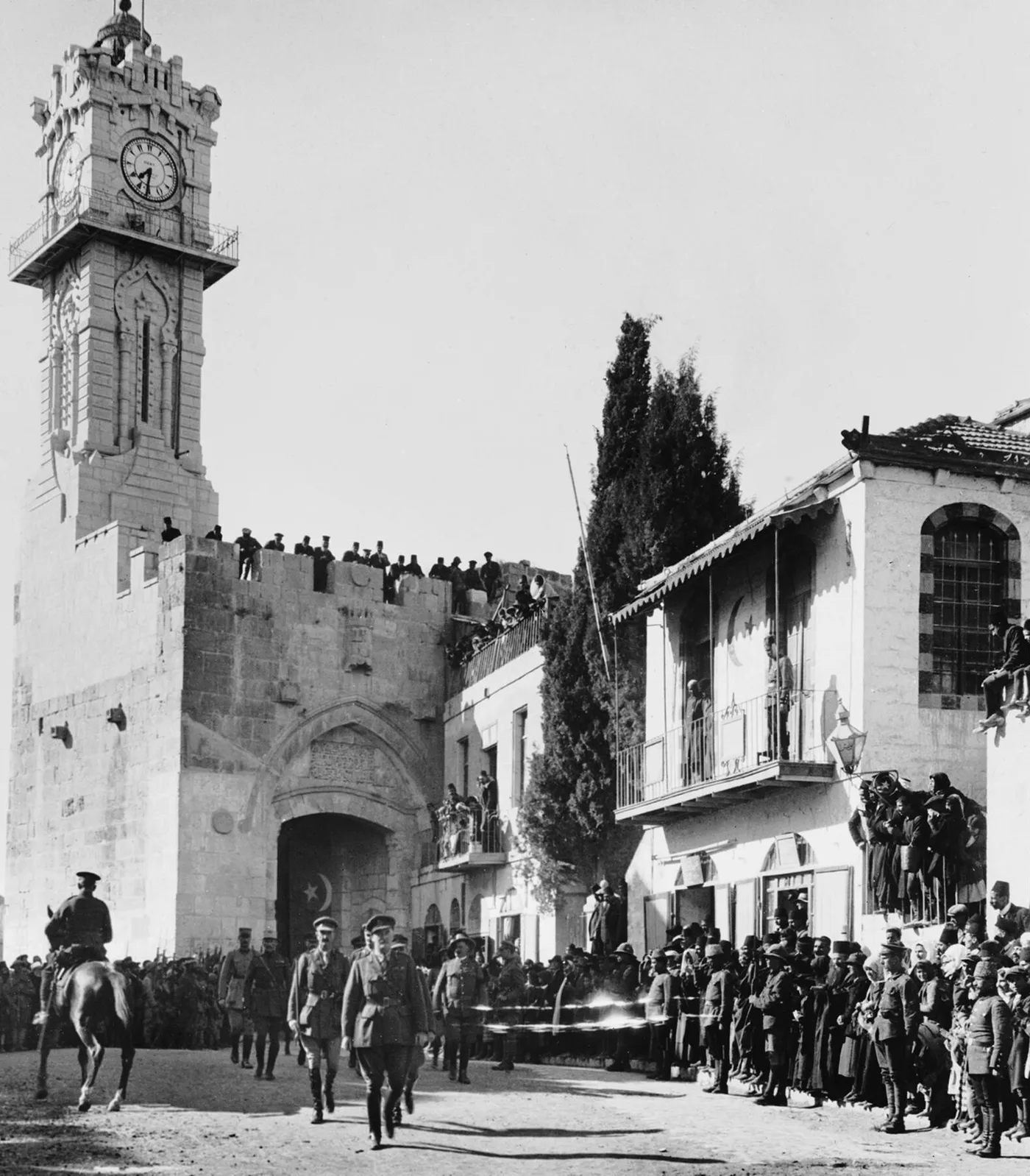
Jerusalem fell in December. Allenby made his formal entry on foot on 11 December 1917, but the campaign continued. The National Army Museum's account follows the renewed offensive in 1918 and the defeat of Ottoman forces farther north. Jerusalem's capture and the end of Ottoman power across the region were separate stages.
Palestinians did not gain an independent government with the Ottoman defeat. British occupation replaced Ottoman administration. Before Allenby's entry, Britain's Balfour Declaration of 2 November 1917 had already endorsed a Jewish national home in Palestine. It referred to the civil and religious rights of existing non-Jewish communities without recognising their national political rights.
Britain subsequently governed through the Mandate. The next struggle over land and sovereignty developed under that new imperial authority, as explained in how Britain helped create Israel.
Frequently asked questions
When did Ottoman rule in Palestine begin and end?
The Ottoman conquest began in 1516. British-led forces captured Jerusalem in December 1917 and defeated the remaining Ottoman armies in the region in 1918.
Was Palestine a single Ottoman province?
Usually not. Its districts belonged to changing provincial arrangements. Late in Ottoman rule, Jerusalem reported directly to Istanbul while Acre and Nablus belonged to the province of Beirut. Administrative divisions did not mean the country lacked inhabitants or a geographical name.
Did the 1858 Land Code immediately dispossess every farmer?
No. Registration enabled non-cultivators to acquire titles and contributed to dispossession, but rights varied and villagers resisted. Historians disagree about the relative weight of the law, earlier commercial changes and later wartime coercion.
Did Ottoman defeat give Palestinians independence?
No. British military occupation replaced Ottoman government, followed by the British Mandate. Britain had already issued the Balfour Declaration in November 1917.
Sources & further reading
- Alex Winder: Ottoman Rule, PalQuest ↗
- Butrus Abu-Manneh: Ottoman Territorial Reorganization, 1840–1917 ↗
- Enjoy Jerusalem: Ottoman Period ↗
- Amos Nadan: The route from informal peasant landownership to formal tenancy and eviction ↗
- Kristen Alff: Changing Capitalist Structures and Settler-Colonial Land Purchases in Northern Palestine, 1897–1922 (CC BY 4.0) ↗
- Library of Congress: The Locust Plague ↗
- Library of Congress: Wartime Aid ↗
- National Army Museum: Egypt and Palestine campaign ↗
- Yale Avalon Project: Balfour Declaration ↗
Image credits
- Orange groves in the foreground with Jaffa on the horizon
American Colony (Jerusalem), Photo Department / Library of Congress · No known restrictions on publication
Resized where necessary and converted to WebP. No historical detail added.
- Ottoman manuscript miniature showing mounted Mamluk and Ottoman soldiers
Unknown manuscript artist, Selim-name by Şükrî-i Bitlisî / National Library of Israel, via Wikimedia Commons · Public domain
Resized where necessary and converted to WebP. No historical detail added.
- Stone buildings and open ground on the western hill of Jerusalem
American Colony (Jerusalem), Photo Department / Library of Congress · No known restrictions on publication
Cropped to a single stereoscopic view. Resized where necessary and converted to WebP. No historical detail added.
- A family in embroidered clothing standing outside a stone building in Ramallah
American Colony (Jerusalem), Photo Department / Library of Congress · No known restrictions on publication
Resized where necessary and converted to WebP. No historical detail added.
- Dense mass of locusts gathered inside a trap
American Colony (Jerusalem), Photo Department / Library of Congress · No known restrictions on publication
Cropped to a single stereoscopic view. Resized where necessary and converted to WebP. No historical detail added.
- General Allenby walking into Jerusalem with officers in December 1917
Underwood & Underwood / Library of Congress, via Wikimedia Commons · No known copyright restrictions
Resized where necessary and converted to WebP. No cropping or historical detail altered.


Something we should correct? Send a correction.
Keep reading
More stories
World history · 8 min read
How the British Empire Rose and Fell
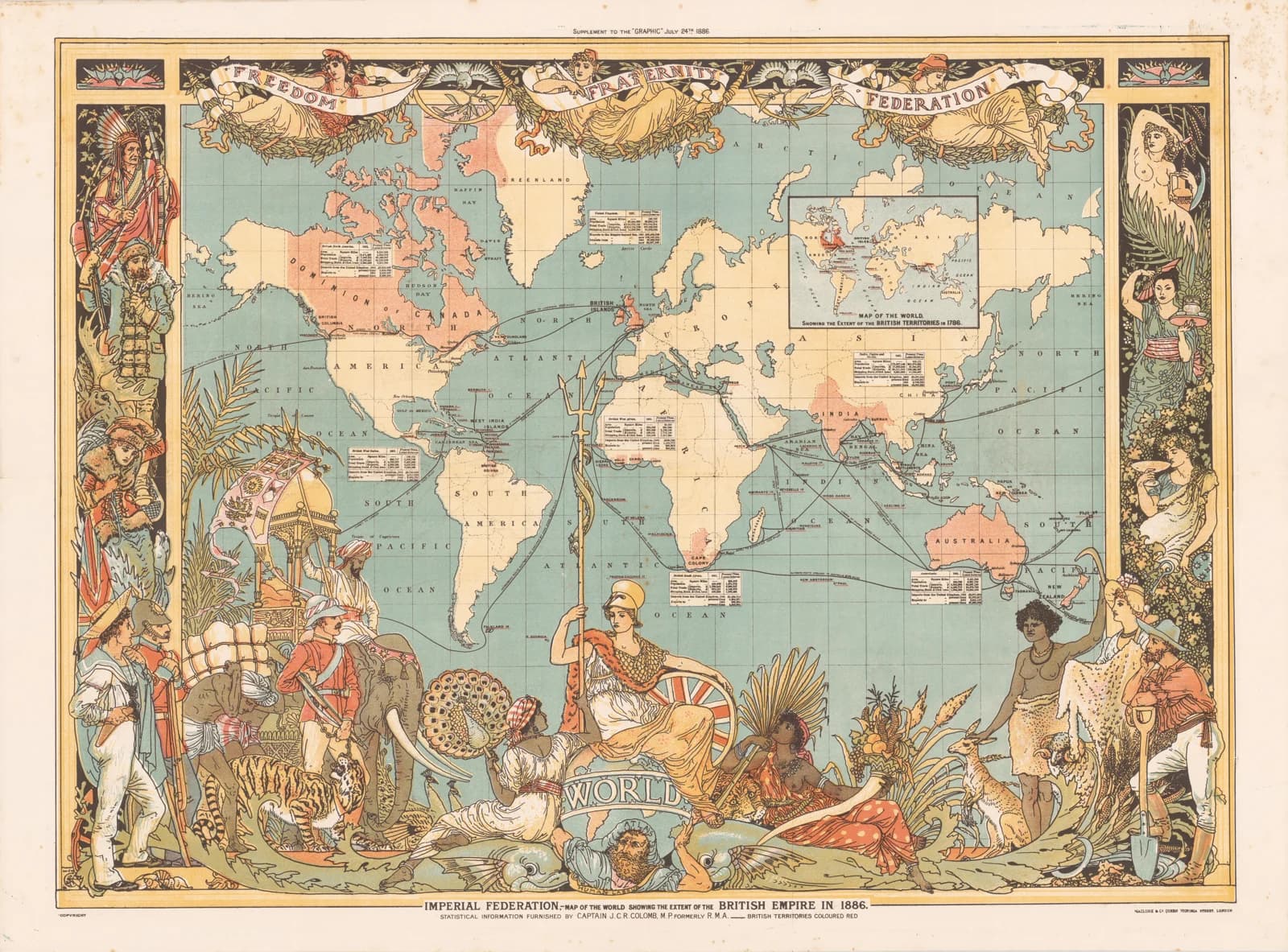
How Britain built its empire through conquest, trade and slavery, and how resistance, world wars and independence movements ended colonial rule.
Australian history · 7 min read
British Invasion of Australia: Land and Aboriginal Resistance
How Britain’s invasion of Australia took Aboriginal land, from Sydney Cove and Pemulwuy to Tasmania, Myall Creek, the Stolen Generations and Mabo.
Irish history · 7 min read
Thatcher’s Broadcasting Ban: Why Actors Voiced Gerry Adams
How Britain’s 1988 broadcasting ban silenced Sinn Féin voices, why actors dubbed Gerry Adams and what changed when the restrictions ended in 1994.