Palestinian history
Palestine Before 1948: Jaffa, British Rule and the Nakba
Palestine before Israel's founding: Jaffa's orange trade, life under Ottoman and British rule, Jewish immigration, partition and the Nakba.
Before Israel declared independence in 1948, Palestine had established towns, agricultural communities and trading networks. Jaffa connected farms to overseas markets. Jerusalem became the headquarters of a broadcasting service. Britain governed a country with an Arab majority and a growing Jewish population, having taken control from the Ottoman Empire during the First World War.
The founding of Israel changed government and borders. The war surrounding it also drove hundreds of thousands of Palestinians from their homes. Their losses included farms, businesses and neighbourhoods built over generations.
What was life like in Jaffa before 1948?
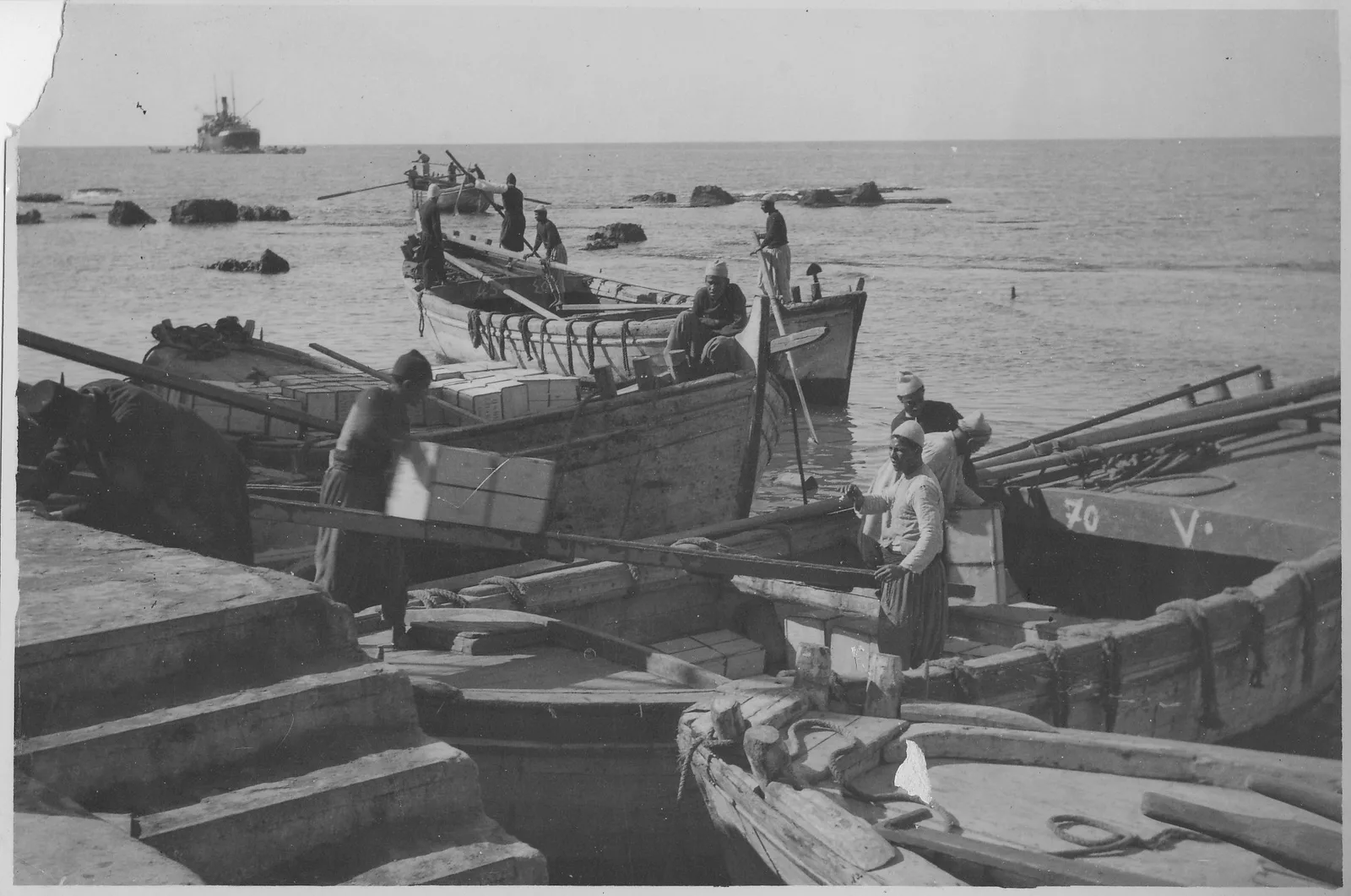
In the photograph above, wooden boats carry crates of oranges towards a freighter waiting offshore. The photograph's catalogue entry dates the scene to around 1930. Its photographer is unknown.

The crates fill the boats while crews manoeuvre between the rocks and shore. The image captures one stage of the export trade: transferring a crop from land to the ship that would carry it onwards.
Jaffa's commercial growth belonged to a wider transformation of the Palestinian coast. The Palestinian Museum's exhibition on coastal history describes the city becoming a centre of trade, investment, agriculture and transport during the nineteenth century. Ottoman reforms helped connect local markets more closely to the world economy. The earlier changes in government and property are covered in our history of Ottoman Palestine.
The same exhibition places newspapers and organised labour within this changing society. It records the establishment of the Palestine Arab Workers Society in 1925. Farmers and merchants shared the country with wage workers, editors and political organisers. Their livelihoods depended on the movement of goods, investment and labour.
How old is the settlement at Jericho?
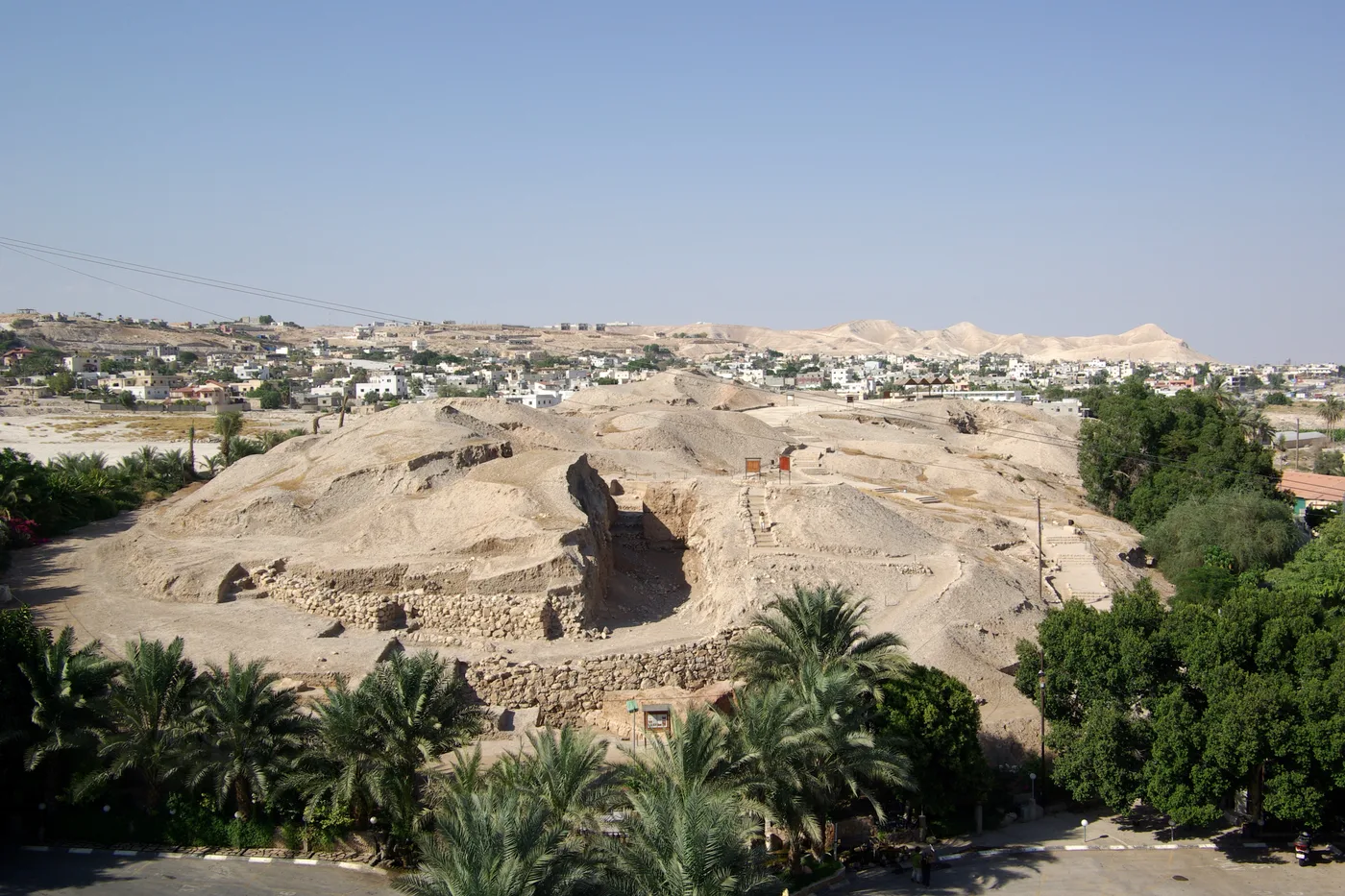
At Tell es-Sultan, near modern Jericho, archaeologists have found evidence of a substantial permanent settlement from the ninth to eighth millennium BC. UNESCO's account of Ancient Jericho describes Neolithic remains including a wall, ditch and tower. A nearby perennial spring supplied water for the settlement.
These remains belong to a much earlier world than Ottoman Palestine or the British Mandate. A prehistoric settlement cannot simply be assigned the national identity of a modern population. It does, however, establish the depth of settled life in this landscape, long before the governments and borders familiar today.
Israel's establishment in 1948 marks the beginning of the modern state. It does not mark the beginning of Jewish presence or Jewish attachment to the country. Nor does the absence of an independent Palestinian state immediately before 1948 erase the people and institutions living under imperial rule.
How did radio change life in Jerusalem?
Jerusalem in the 1930s and 1940s was both a city of religious significance and the administrative capital of British Palestine. It was also the headquarters of the Palestine Broadcasting Service. Radio connected a studio to listeners in homes and public places, adding another medium to a city already served by telephones, telegraphs, buses and trains.
Historian Andrea L. Stanton's study of Mandate-era radio approaches broadcasting through this urban soundscape. She examines the studios that produced broadcasts and the homes and public places where people listened.
This urban life sat alongside agriculture and coastal trade. Palestine before 1948 cannot be described adequately through villages alone, or through a succession of battles. Broadcasting, transport and organised work were part of the society that later accounts would remember through the catastrophe of war.
How did Britain govern Palestine?
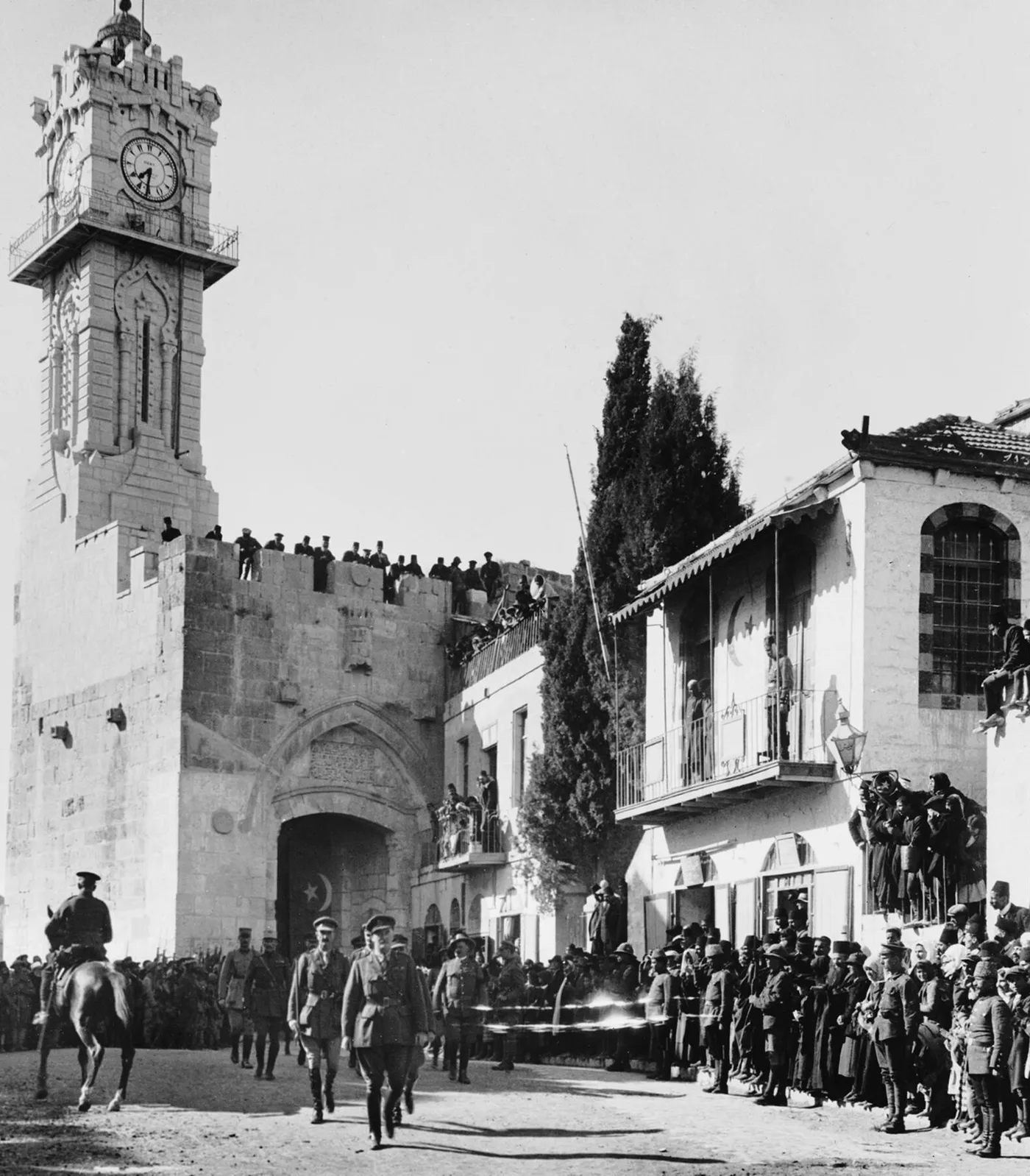
British forces captured Jerusalem in December 1917 during the war against the Ottoman Empire. A military administration followed. Britain subsequently governed Palestine under a League of Nations Mandate. The National Army Museum's history describes the conflicting Arab and Jewish nationalist movements British rule confronted.
Britain had already made a major commitment. On 2 November 1917, Foreign Secretary Arthur Balfour wrote to Lord Rothschild supporting a Jewish national home in Palestine. The Balfour Declaration also stipulated protection for the civil and religious rights of the existing non-Jewish communities, and for the rights and political status of Jews elsewhere.
Its wording was unequal in an important respect: it named a national project for the Jewish people, while describing Palestine's other inhabitants through their civil and religious rights. The declaration did not promise them a corresponding national state. It was a British policy statement, not a land deed transferring every farm or house.
The Mandate's terms incorporated the Jewish national home commitment. Article 4 provided for recognition of a Jewish agency to cooperate with the administration. Article 6 required Britain to facilitate Jewish immigration under suitable conditions while protecting the rights and position of other sections of the population. These provisions made immigration and settlement central questions of government. For the decisions behind this policy and its enforcement, read how Britain helped create Israel.
Why did immigration and British rule provoke conflict?
Palestine's Arab majority faced a government committed to facilitating a Jewish national home. Opposition to British policy and Jewish immigration became armed rebellion during the Arab Revolt of 1936 to 1939. British forces fought Arab insurgents. The National Army Museum records the military role and Britain's later restrictions on immigration in 1939.
For Jews trying to escape Europe, those restrictions could close a route to safety. Nazi persecution, the Holocaust and postwar antisemitic violence drove people to seek refuge. Immigration was therefore also a question of survival for individuals who could not safely remain where they had lived.
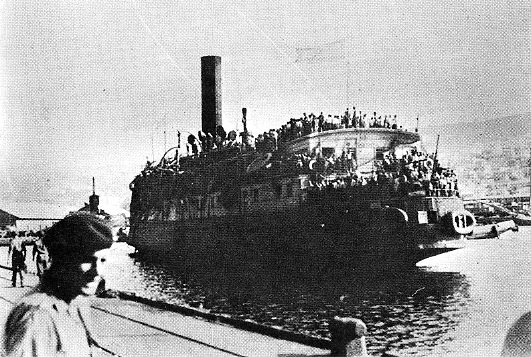
The United States Holocaust Memorial Museum describes Aliyah Bet, the clandestine movement of Jews to Palestine without British permission. By 1948, well over 100,000 people had travelled through that movement, including more than 70,000 Holocaust survivors. Ships carried many of them. British authorities intercepted arrivals and interned refugees, including on Cyprus.
Jewish refugees' need for safety and Palestinian Arabs' opposition to the political future imposed under British rule formed part of the same conflict. Neither can be explained by treating the population as a single community with a shared national aim.
What did the 1947 partition proposal change?
On 29 November 1947, the UN General Assembly adopted Resolution 181. It proposed separate Arab and Jewish states, with Jerusalem and its surrounding area under international administration. The US Office of the Historian sets out that proposed arrangement and the diplomatic arguments surrounding it.
Partition did not become a negotiated, peaceful handover. Palestinian Arabs rejected the arrangement as unfair, and fighting between Arab and Jewish forces intensified before Britain left. A proposed boundary on a map did not itself determine who could safely remain in a town, control a road or keep possession of a home.
David Ben-Gurion declared the establishment of Israel on 14 May 1948. Arab armies entered the former Mandate territory as the conflict expanded. The Office of the Historian's account of the war distinguishes the fighting within Palestine from this subsequent interstate phase.
Armistice agreements followed in 1949. Israel controlled territory beyond that allocated to the Jewish state by the partition proposal. Egypt controlled Gaza and Jordan controlled the West Bank. The proposed Palestinian Arab state had not emerged. The armistice lines were the outcome of war, not the implementation of the original UN map.
What did Palestinians lose in the Nakba?
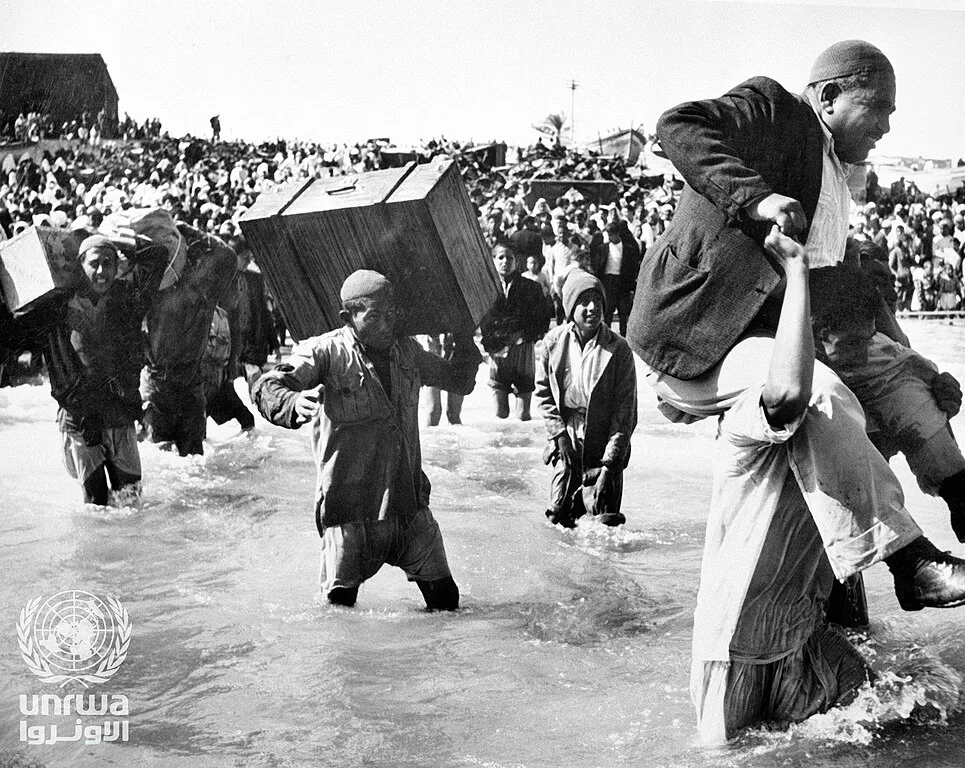
Approximately 750,000 Palestinians fled or were expelled from their homes during the war. Palestinians call this catastrophe the Nakba. Displacement meant leaving property, employment and communities as well as crossing a line on a map.
In a UN conference report summarising historian Michael Fischbach's research, the losses include houses, farmland, businesses, equipment and personal possessions. Fischbach also describes the provisional Israeli Cabinet's decision to bar refugees from returning. Flight did not become a short interruption followed by a general return home.
The photograph of boats carrying oranges preserves one part of that earlier society: crews moving a crop from shore to ship. Alongside archaeological remains, broadcasting histories and institutional records, such images preserve aspects of life that accounts centred only on governments can miss. The country transformed in 1948 already contained livelihoods, neighbourhoods and public institutions. Those were among the things its displaced people lost.
For the later territorial changes, read how the partition plan, the Green Line and Oslo changed Palestine’s map.
Frequently asked questions
Who governed Palestine before Israel was founded?
Britain governed Palestine before Israel's declaration of independence on 14 May 1948. British forces had taken the territory from the Ottoman Empire during the First World War, and Britain subsequently administered it under a League of Nations Mandate.
Was Palestine an independent state before 1948?
Immediately before 1948, Palestine was a territory under British administration, not an independent Palestinian state. Earlier it had formed part of the Ottoman Empire. That political status did not mean the country lacked an established population, towns or institutions.
Did Jewish people live in Palestine before 1948?
Yes. Jewish communities existed before the State of Israel, and immigration increased the Jewish population during British rule. The founding date of the modern state is not the beginning of Jewish history in the country.
What did the 1947 partition plan propose?
UN General Assembly Resolution 181 proposed separate Arab and Jewish states, with Jerusalem and its surrounding area under international administration. The proposal did not become an agreed peaceful division, and the 1949 armistice lines differed from its boundaries.
What does Nakba mean?
Nakba means catastrophe in Arabic. Palestinians use it for the mass displacement and dispossession associated with the 1948 war, when approximately 750,000 Palestinians fled or were expelled from their homes.
Sources & further reading
- Palestinian Museum: A People by the Sea, exhibition guide ↗
- Wikimedia Commons: Oranges leaving Jaffa, circa 1930 ↗
- UNESCO: Ancient Jericho / Tell es-Sultan ↗
- Andrea L. Stanton: Situating Radio in the Soundscape of Mandate Palestine ↗
- National Army Museum: The British Army in Palestine ↗
- Yale Avalon Project: Balfour Declaration, 2 November 1917 ↗
- Yale Avalon Project: The Palestine Mandate ↗
- United States Holocaust Memorial Museum: Aliyah Bet ↗
- US Office of the Historian: Creation of Israel, 1948 ↗
- US Office of the Historian: The Arab-Israeli War of 1948 ↗
- UN conference report: Michael Fischbach on Palestinian refugees, 29 April 2008 ↗
Image credits
- Boat crews carrying crates of oranges towards a freighter off Jaffa, circa 1930
Unknown photographer, private collection / uploaded by Padres Hana to Wikimedia Commons · CC BY-SA 2.5
Resized and converted to WebP. This version is available under the same CC BY-SA 2.5 licence.
- Excavated mound and stone remains at Tell es-Sultan near Jericho
Berthold Werner / Wikimedia Commons · Public domain
Resized where necessary and converted to WebP. No cropping or historical detail altered.
- General Allenby walking into Jerusalem with officers in December 1917
Underwood & Underwood / Library of Congress, via Wikimedia Commons · No known copyright restrictions
Resized where necessary and converted to WebP. No cropping or historical detail altered.
- The refugee ship Exodus crowded with passengers at Haifa in 1947
British Admiralty; scan by JGHowes / Wikimedia Commons · Public domain (expired Crown copyright)
Resized where necessary and converted to WebP. No cropping or historical detail altered.
- Palestinian refugees wading through water with belongings and carrying an elderly person
Hrant Nakashian / UNRWA, via Wikimedia Commons · CC BY-SA 3.0 IGO
Resized where necessary and converted to WebP. No cropping or historical detail altered. This version uses the same CC BY-SA 3.0 IGO licence.


Something we should correct? Send a correction.
Keep reading
More stories
World history · 8 min read
How the British Empire Rose and Fell
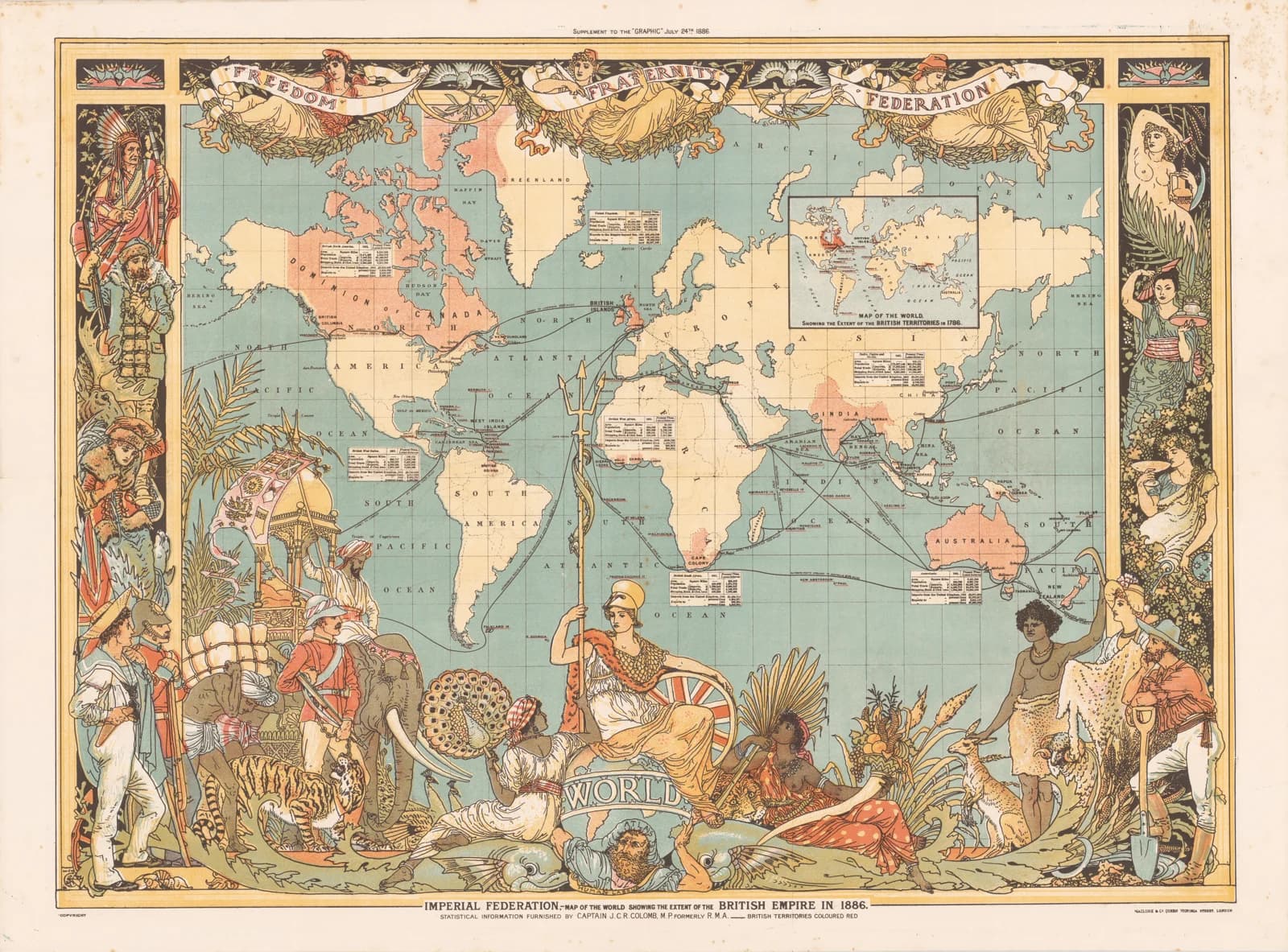
How Britain built its empire through conquest, trade and slavery, and how resistance, world wars and independence movements ended colonial rule.
Australian history · 7 min read
British Invasion of Australia: Land and Aboriginal Resistance
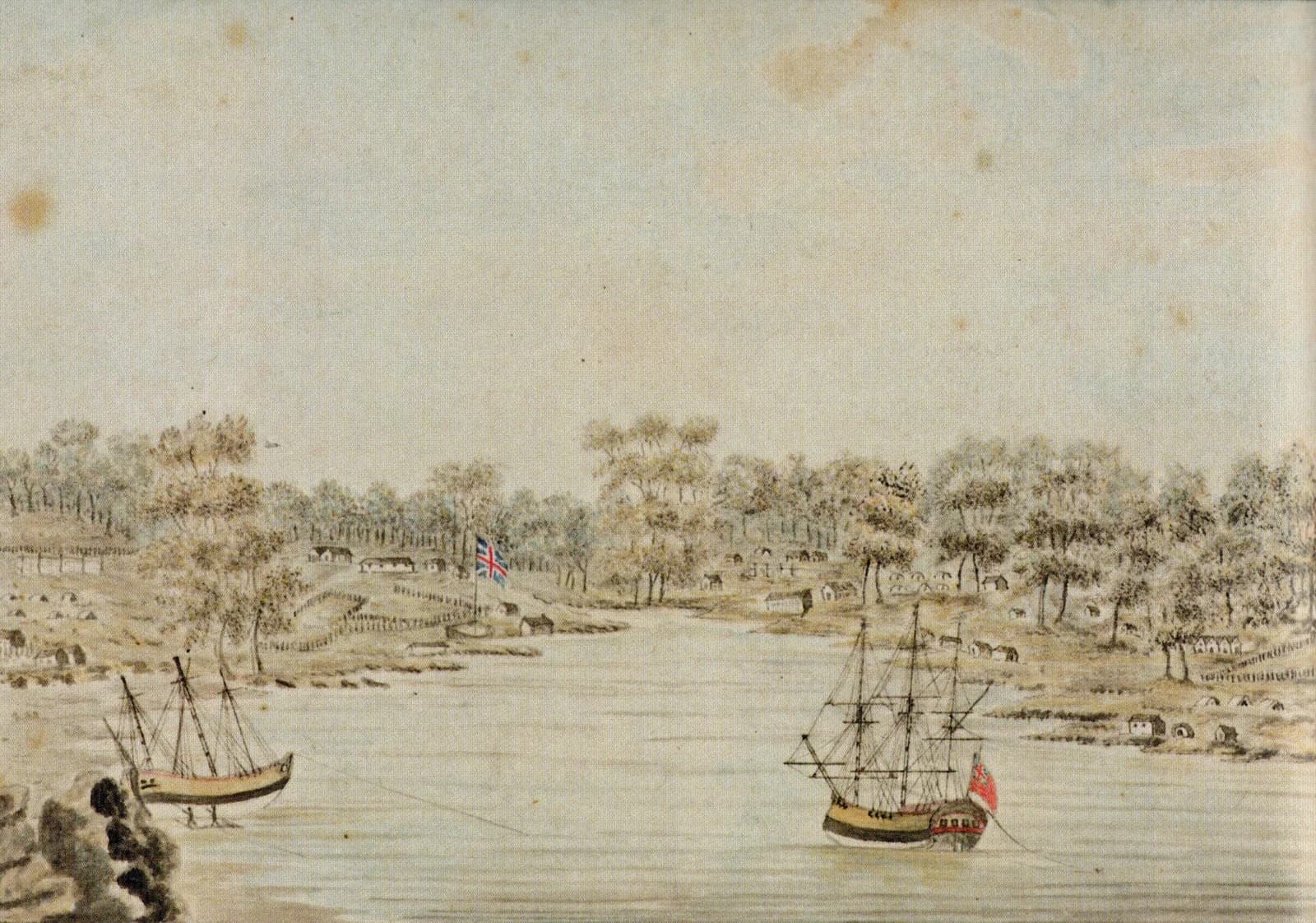
How Britain’s invasion of Australia took Aboriginal land, from Sydney Cove and Pemulwuy to Tasmania, Myall Creek, the Stolen Generations and Mabo.
Irish history · 7 min read
Thatcher’s Broadcasting Ban: Why Actors Voiced Gerry Adams
How Britain’s 1988 broadcasting ban silenced Sinn Féin voices, why actors dubbed Gerry Adams and what changed when the restrictions ended in 1994.